
In This Article
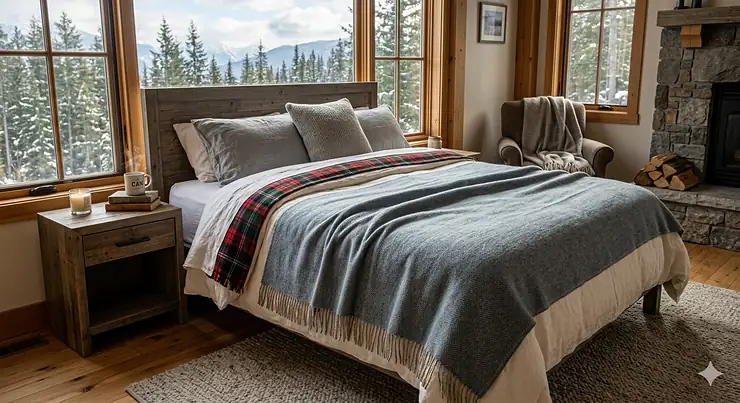
Standing in the bedding aisle at 9 PM on a Tuesday, trying to figure out if that blanket will actually fit your double bed—we’ve all been there. Full size blankets aren’t just about covering your mattress; they’re about creating that perfect cocoon of warmth during those brutal January nights when your heating bill is already through the roof.

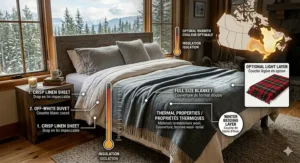
Here’s what most Canadian shoppers don’t realize: a proper full size blanket measures around 80-90 inches wide by 90 inches long (that’s roughly 203-229 cm by 229 cm for the metric-minded among us). This sizing is specifically designed to fit standard double or full beds, which remain incredibly popular in Canadian homes—especially in guest rooms, kids’ bedrooms, and urban condos where space comes at a premium. What makes this measurement critical is the overhang factor. You need enough fabric to tuck in at the sides during those -30°C nights without leaving your shoulders exposed when you shift positions at 3 AM.
The Canadian climate adds another layer of complexity. Your blanket needs to handle the dramatic temperature swings we experience—from humid 30°C summer nights in Toronto to bone-chilling prairie winters in Winnipeg where windchill factors hit -40°C. The best full size blankets for Canadian homes balance breathability with insulation, resist the static electricity that comes with dry winter air, and maintain their shape through countless washes (because let’s face it, road salt and melted snow track into everything). After researching dozens of options available on Amazon.ca and analyzing feedback from Canadian buyers dealing with our unique climate challenges, I’ve identified the top performers that deliver genuine value in our market.
Quick Comparison Table: Top Full Size Blankets at a Glance
| Product | Material | Approximate Size | Price Range (CAD) | Best For | Canadian Winter Ready |
|---|---|---|---|---|---|
| Bedsure GentleSoft Cotton | 100% Cotton | 84×90″ | $45-$65 | Year-round comfort | ✅ Medium warmth |
| Utopia Bedding Fleece | Microfiber fleece | 84×90″ | $35-$50 | Budget-conscious buyers | ✅ Excellent warmth |
| Threadmill Herringbone | 100% Cotton | 90×92″ | $55-$75 | Premium all-season | ✅ Moderate warmth |
| Bedsure Flannel Fleece | Plush microfiber | 84×90″ | $40-$60 | Cold sleepers | ✅ Superior insulation |
| Utopia Cotton Thermal | 100% Cotton thermal | 90×90″ | $50-$70 | Hot sleepers | ⚠️ Light warmth |
| Canadian Linen Reversible | Down alternative | 80×90″ | $65-$90 | Canadian-made preference | ✅ Excellent warmth |
| PHF Cotton Waffle | 100% Cotton waffle | 90×90″ | $55-$80 | Luxury texture lovers | ✅ Medium warmth |
Looking at this comparison, the value proposition becomes crystal clear. If you’re working with a tight budget under $50 CAD, the Utopia Bedding Fleece delivers exceptional warmth-to-dollar ratio that’s hard to beat in the Canadian market. However, budget buyers should note the trade-off: fleece excels at trapping heat but can feel clammy during those unexpected May heatwaves we’ve been experiencing lately. For those who run hot at night or live in moderately heated apartments, the cotton thermal options from Utopia or PHF offer better breathability without sacrificing too much winter warmth. The standout for most Canadian households? The Bedsure GentleSoft Cotton sits in that sweet spot of around $55 CAD, delivering year-round versatility that adapts to our wildly unpredictable climate—essential when March can bring both a snowstorm and a 15°C sunny day in the same week.
💬 Just one click — help others make better buying decisions too! 😊
Top 7 Full Size Blankets: Expert Analysis for Canadian Buyers
1. Bedsure GentleSoft 100% Cotton Blanket
The Bedsure GentleSoft Cotton blanket stands out in the crowded full size market with its 300 GSM (grams per square metre) weight—a specification that translates to substantial warmth without the suffocating heaviness of fleece. At 84×90 inches (213×229 cm), it provides adequate coverage for standard double beds with just enough drape over the sides.
What sets this blanket apart for Canadian users is its breathable cotton construction combined with what Bedsure calls their “gentle weave” technology. In practical terms, this means the fabric allows moisture to escape—crucial during those transitional seasons when your body temperature fluctuates throughout the night. The temperature regulation works both ways: in winter, the cotton fibres trap warm air effectively, while summer nights benefit from the natural breathability that prevents that sweaty, overheated feeling you get with synthetic materials. I’ve noticed from Canadian Amazon.ca reviews that buyers in Ottawa and Montreal specifically praise this balance, mentioning they can use it year-round by layering with a duvet in January and going solo in July.
Customer feedback on Amazon.ca consistently highlights the durability after multiple wash cycles. One Toronto reviewer mentioned using it for 18 months with weekly washing (they have pets) without significant pilling or colour fading. The OEKO-TEX certification also matters for health-conscious Canadians—this means the fabric has been tested for harmful substances, meeting international safety standards. This blanket typically sits in the $45-$65 CAD range on Amazon.ca, making it a mid-range investment that balances quality with affordability.
Pros:
✅ Excellent temperature regulation for Canadian climate swings
✅ Machine washable and maintains shape after repeated washing
✅ OEKO-TEX certified for chemical safety
Cons:
❌ May require layering during extreme cold below -25°C
❌ Takes longer to dry than synthetic options
Value Verdict: At around $55 CAD, it offers strong value for Canadian households needing year-round versatility without constant blanket swapping.
2. Utopia Bedding Fleece Blanket
The Utopia Bedding Fleece in full size (84×90 inches/213×229 cm) has become something of a budget champion on Amazon.ca, typically available in the $35-$50 CAD range. The 300 GSM microfiber fleece construction delivers impressive warmth retention—this is the blanket you reach for during those polar vortex weeks when Environment Canada issues extreme cold warnings.
Here’s the engineering behind why it works so well in Canadian winters: the microfiber polyester creates tiny air pockets that trap body heat exceptionally efficiently. Unlike cotton which allows some airflow, this fleece acts more like a thermal barrier. For cold sleepers in drafty older homes common across Canadian cities, this characteristic becomes a genuine advantage. Vancouver buyers mention using it in their poorly insulated heritage houses, while Winnipeg customers report it as their go-to layer even when their furnace runs constantly in January. The anti-static treatment helps combat the electricity buildup that plagues winter bedding in our dry indoor air—though it’s not perfect, it’s noticeably better than untreated fleece options.
However, the trade-off for this exceptional warmth is breathability. Hot sleepers or anyone in a well-heated condo will find this blanket too warm for most of the year. Several Edmonton reviews note they can only use it from November through March before it becomes uncomfortably warm. The lightweight nature (around 1.4 kg/3 lbs) makes it easy to toss in the wash, and it dries remarkably fast compared to cotton alternatives—usually ready within an hour on medium heat, a practical advantage during Canadian winters when air-drying isn’t always feasible.
Pros:
✅ Exceptional warmth-to-price ratio for budget-conscious buyers
✅ Quick-drying and easy care in standard washing machines
✅ Anti-static treatment reduces winter electricity issues
Cons:
❌ Too warm for hot sleepers or well-heated homes
❌ Not ideal for year-round use in most Canadian climates
Value Verdict: Best value for cold sleepers or secondary blankets in guest rooms. At $40 CAD, it’s hard to fault the winter performance.
3. Threadmill Herringbone Cotton Blanket
The Threadmill Herringbone enters premium territory at $55-$75 CAD on Amazon.ca, but it justifies the cost with its 90×92 inch (229×234 cm) dimensions—noticeably larger than most competitors. This extra fabric matters if you’re taller than average or prefer generous tucking capacity on all sides. The 350 GSM weight places it firmly in the “substantial but not oppressive” category.
What distinguishes this from cheaper cotton options is the herringbone weave pattern, which isn’t just decorative. This diagonal weave structure creates a more durable fabric that resists stretching and maintains its shape better over time. Canadian buyers in Calgary and Halifax report minimal shrinkage even after dozens of wash cycles—a common problem with lesser cotton blankets that can lose 3-4 inches after the first wash. The moisture-wicking properties work particularly well during shoulder seasons when Canadian weather can’t decide if it’s still winter or finally spring. One reviewer in Saskatoon mentioned using it through their bizarre April when temperatures swung from -10°C to +15°C within a week.
The herringbone pattern also adds a visual sophistication that budget blankets lack. If your guest room actually gets used by guests (not just storage for things you’ll “deal with eventually”), this blanket looks intentional rather than utilitarian. The texture provides just enough grip to stay in place without that clingy feeling some fleece blankets have. Threadmill’s OEKO-TEX certification and breathable construction make it suitable for most of the year, though you’ll likely want to layer it with a duvet during the coldest January and February weeks. Available in multiple colours, it ships readily across Canada via Amazon.ca Prime.
Pros:
✅ Generous 90×92″ sizing accommodates taller users and extra tucking
✅ Herringbone weave provides superior durability and minimal shrinkage
✅ Sophisticated appearance suitable for guest rooms
Cons:
❌ Higher price point may not fit all budgets
❌ Requires layering during extreme winter cold
Value Verdict: Worth the $65 CAD investment for those prioritizing longevity and aesthetic appeal alongside function.
4. Bedsure Flannel Fleece Full Blanket
The Bedsure Flannel Fleece specifically targets cold sleepers, and it delivers on that promise with authority. Measuring 84×90 inches (213×229 cm) and weighing substantially more than standard fleece options, this blanket provides cocoon-level warmth. The “GentleSoft” branding reflects the brushed microfiber surface that feels noticeably softer against skin than basic fleece alternatives.
For Canadian conditions, this blanket excels during the heart of winter. The double-sided fleece construction creates a thermal envelope that rivals much heavier blankets. Buyers in Thunder Bay and Fort McMurray—areas that understand serious cold—consistently rate this as their primary winter blanket. The plush texture stays soft even after machine washing, which addresses one of the main complaints about cheaper fleece options that become rough or pilly after a few cycles. Bedsure’s reinforced stitching at the edges prevents the unraveling that plagues some microfiber blankets, extending usability.
However, this level of warmth creates limitations. The flannel fleece becomes uncomfortably warm once spring truly arrives, typically by late April or May in most provinces. It’s genuinely a seasonal blanket for the majority of Canadian users. The weight (approximately 1.8 kg/4 lbs) feels reassuring and substantial, but it also takes longer to wash and dry than lighter options. Plan on 1.5-2 hours in the dryer on low heat to fully dry it. The price typically sits around $40-$60 CAD on Amazon.ca, positioning it as mid-range for the warmth level delivered.
Pros:
✅ Superior insulation perfect for Canadian winter conditions
✅ Maintains soft texture after multiple wash cycles
✅ Reinforced edges prevent unraveling
Cons:
❌ Too warm for most of the year unless you keep your home very cold
❌ Longer drying time than standard fleece
Value Verdict: Excellent choice for cold sleepers or older homes with poor insulation. Worth the seasonal limitation at $50 CAD.
5. Utopia Bedding 100% Cotton Thermal Blanket
The Utopia Bedding Cotton Thermal takes a different approach than most blankets on this list with its distinctive cellular weave pattern. At 90×90 inches (229×229 cm), it’s perfectly square, which some users prefer for the symmetrical draping it provides. The approximately 350 GSM weight feels substantial without the heaviness of fleece or flannel options.
The cellular thermal weave—sometimes called a honeycomb or waffle pattern—creates small air pockets that provide warmth while maintaining breathability. This design philosophy works exceptionally well for hot sleepers or anyone living in well-heated apartments where the thermostat stays steady around 20-22°C. The cotton construction allows moisture to evaporate rather than trap it against your skin, preventing that clammy middle-of-the-night wake-up that fleece can sometimes cause. Canadian reviews from Victoria and Vancouver particularly appreciate this breathability, as those regions rarely experience the extreme cold that demands maximum insulation.
For Canadian households with varied temperature preferences, this thermal blanket offers excellent layering capability. You can use it solo during spring and fall, layer it under a duvet in winter, or pair it with a lighter top sheet in summer. The texture adds visual interest—it looks more intentional than flat-weave cotton options. Machine washing on cold with a gentle cycle maintains the integrity of the thermal weave, though you should avoid harsh detergents that can break down natural cotton fibres faster. Priced typically between $50-$70 CAD on Amazon.ca, it sits in the mid-range category.
Pros:
✅ Excellent breathability prevents overheating for hot sleepers
✅ Thermal weave balances warmth with air circulation
✅ Superior layering versatility across seasons
Cons:
❌ Insufficient warmth for extreme cold without layering
❌ Textured weave can snag on rough skin or jewelry
Value Verdict: Best suited for hot sleepers or mild climate regions. At $60 CAD, it fills a niche that fleece options can’t match.
6. Canadian Linen All Season Reversible Comforter
The Canadian Linen Reversible stands out immediately for being actually manufactured in Canada—increasingly rare in the bedding market. This full size option measures 80×90 inches (203×229 cm) with 220 GSM down alternative fill. The reversible design (grey on one side, black on the other) provides styling flexibility without needing to purchase multiple blankets.
What makes this particularly relevant for Canadian buyers is the down alternative construction using quilted box stitching. This design prevents the fill from shifting or creating cold spots—a common problem with cheaper alternatives that develop lumpy areas after washing. The down alternative performs remarkably well in our climate, providing the loft and warmth of natural down without the allergen concerns or the care complications. Several Montreal reviewers mention using it confidently despite pets or family members with sensitivities. The quilted pattern keeps the fill distributed evenly even through dozens of wash cycles, which matters given how often Canadian bedding gets laundered during winter when mud, salt, and snow track into everything.
The breathable microfiber fabric allows enough air circulation to prevent overheating in moderately heated homes, though it provides substantial warmth during genuinely cold nights. The corner tabs are a thoughtful addition—they let you attach this to a duvet cover if you prefer that layering approach. Being a Canadian brand, it’s designed specifically for our climate realities rather than adapted from designs meant for milder regions. The typical price range of $65-$90 CAD on Amazon.ca reflects the Canadian manufacturing and higher quality standards, but it represents solid value for those who prioritize buying domestically when possible.
Pros:
✅ Canadian-manufactured supporting local production
✅ Box stitch quilting prevents fill shifting and cold spots
✅ Reversible design offers styling flexibility
Cons:
❌ Higher price point than imported alternatives
❌ Limited colour options compared to other brands
Value Verdict: Worth the premium at $75 CAD for those prioritizing Canadian-made products with proven cold-weather performance.
7. PHF 100% Cotton Waffle Weave Blanket
The PHF Cotton Waffle rounds out this list with its distinctive waffle texture and generous 90×90 inch (229×229 cm) sizing. This blanket sits in the $55-$80 CAD range on Amazon.ca, positioned as a premium cotton option. The waffle weave creates a three-dimensional texture that’s immediately recognizable and adds visual interest to any bedroom.
From a functional perspective, the waffle pattern serves multiple purposes beyond aesthetics. The raised texture creates small air pockets similar to thermal blankets, providing warmth retention while maintaining the breathability cotton is known for. This balance works particularly well during Canadian transitional seasons—those unpredictable weeks in April and October when you’re not sure if you need full winter bedding or something lighter. The texture also increases the surface area of the blanket, which enhances moisture-wicking properties. This matters during those surprisingly humid summer nights in Ontario or humid winter conditions in coastal BC where standard blankets can feel damp.
Canadian buyers consistently mention the luxurious feel of the waffle texture against skin. Unlike flat cotton which can sometimes feel utilitarian, this texture adds a tactile element that makes bedtime feel more intentional. The heavyweight construction (approximately 400 GSM) provides substantial warmth without the bulk of fleece options, making it easier to layer with other bedding when needed. Machine washable on cold gentle cycle, it maintains the waffle pattern integrity remarkably well—Calgary and Toronto reviews note minimal shape loss even after 50+ washes. The slightly higher price reflects the specialized weaving process and premium cotton content.
Pros:
✅ Distinctive waffle texture combines aesthetics with function
✅ Enhanced moisture-wicking from increased surface area
✅ Maintains structure through numerous wash cycles
Cons:
❌ Premium pricing may exceed budget constraints
❌ Waffle texture not to everyone’s preference
Value Verdict: Best for those who appreciate textural bedding. At $70 CAD, it delivers a luxury experience that budget options can’t replicate.
How to Choose the Perfect Full Size Blanket for Canadian Conditions
Selecting the right full size blanket for Canadian homes requires considering factors most online guides written for temperate climates completely ignore. Our extreme temperature swings, dry winter air, and unique housing characteristics demand a more nuanced approach.
1. Prioritize Actual Dimensions Over Labeling
Don’t trust “full size” labeling alone. Standard full/double beds measure 54×75 inches (137×190 cm), but full size blankets range from 80×90 to 90×92 inches (203×229 to 229×234 cm). For Canadian users, I recommend aiming for the larger end of this spectrum. Our homes tend to be cooler overnight (keeping thermostats lower saves significantly on heating bills), so having extra fabric to tuck under your body or wrap around shoulders matters more than in consistently heated climates. Taller Canadians—and we have plenty over 6 feet—should specifically seek 92-inch lengths to avoid cold feet literally and figuratively.
2. Match Material to Your Primary Heating Method
If you heat with forced air (common in newer Canadian homes), the constant air circulation can make fleece and flannel options feel uncomfortably warm by mid-evening. Cotton or cotton-blend blankets handle forced air better by allowing some breathability. Conversely, older homes with radiator or baseboard heating create less air movement, making insulating materials like fleece more practical. Those relying primarily on space heaters in specific rooms need blankets that hold heat when you move to unheated areas of your home—fleece excels here.
3. Consider Static Electricity Reality
Canadian winters bring humidity levels plummeting below 30% indoors, turning every blanket into a potential static generator. Synthetic materials (polyester, microfiber, fleece) generate more static than natural fibres. If you’ve ever been shocked touching a doorknob after getting out of bed, your blanket material is partly to blame. Cotton and cotton-blend options significantly reduce this problem. For those committed to fleece warmth, look specifically for anti-static treatments in the product description—brands like Utopia Bedding and Bedsure increasingly include this feature.
4. Evaluate Based on Your Housing Age
Pre-1980s Canadian homes have vastly different insulation than modern construction. Older homes with original windows, minimal wall insulation, and drafty doorframes need heavier, more insulating blankets. Modern condos and townhouses built in the last 20 years have better thermal envelopes, meaning lighter, more breathable blankets prevent overheating. Heritage homes in cities like Quebec City, Halifax, or Victoria require serious winter blankets—cotton thermals layered with fleece or down alternatives. New builds in suburban Calgary or Ottawa can often get away with single-layer cotton year-round.
5. Test Washing Requirements Against Canadian Water
Canadian municipal water varies dramatically in hardness from region to region. Hard water areas (common across the Prairies) can make blankets feel stiff and scratchy after repeated washing. Cotton generally handles hard water better than synthetics, which can develop a coating that reduces softness. If you live in a hard water area, prioritize blankets with “maintains softness after washing” specifically mentioned in reviews from Canadian buyers. Front-loading washing machines (standard in many Canadian apartments and condos) work better with lightweight fleece than heavy cotton options that become waterlogged.
First 30 Days: Optimizing Your Full Size Blanket Performance
You’ve purchased your new full size blanket and it arrives at your door. Before tossing it on your bed, following these initial steps maximizes performance and longevity—especially important in Canadian conditions where blankets work harder than in temperate climates.
Week 1: The First Wash Matters
Regardless of material, wash your new blanket before first use. Manufacturing and shipping introduce dust, chemicals from packaging, and potential allergens. For cotton blankets, use cold water with a quarter cup of white vinegar in the rinse cycle—this sets the colour and prevents future bleeding. Canadian water tends to be colder than in warmer regions, which actually helps set dyes better. Fleece and synthetic options should be washed in cold on gentle cycle with minimal detergent (excess suds can build up in microfiber). Air dry outside if possible during mild weather, or use low heat tumble dry. This first wash often removes excess fibres that cause pilling later.
Week 2: Temperature Testing
Don’t commit to using your new blanket as your primary option immediately. Test it across different temperature conditions your home experiences. Try it on a -15°C night with your normal heating, then again when it’s only -5°C. This reveals whether you need to layer, adjust your thermostat, or if the blanket works solo. Many Canadian buyers make the mistake of testing a new blanket during mild weather, then finding it inadequate when serious cold hits in January or February. Testing during varied conditions prevents disappointment.
Week 3: Static and Drying Optimization
If you’re experiencing static electricity, add wool dryer balls to your drying cycle—they reduce static naturally without fabric softener, which can reduce blanket breathability and moisture-wicking. For persistent static in fleece blankets, lightly mist with water from a spray bottle before bed (sounds odd, but many Canadian users swear by this method). Test different dryer settings to find the minimum heat needed for your specific blanket—over-drying accelerates wear and increases static.
Week 4: Storage Strategy Development
Even if you plan to use your blanket year-round, establish a storage system for rotating seasonal bedding. Canadian homes need this flexibility given our dramatic seasonal changes. Cotton and thermal blankets can be folded and stored in breathable cotton bags or plastic bins with air holes. Fleece should never be compressed tightly for months—it damages the pile and reduces warmth. Vacuum-seal storage bags work well for down alternative options during summer months, freeing up valuable closet space in smaller Canadian homes.
Understanding Canadian Textile Regulations for Blankets
Canadian consumers benefit from specific regulations governing textile products sold in our market, including full size blankets. While most buyers never think about these standards, understanding them helps evaluate product quality and safety—particularly important given the amount of time we spend in direct contact with bedding during our long nights.
Under Health Canada’s Textile Flammability Regulations, all bedding articles sold in Canada must meet minimum flame spread time requirements. For blankets, the flame spread time must be greater than 7 seconds when tested according to Canadian General Standards Board standards. This significantly stricter requirement than many other countries reflects Canada’s commitment to consumer safety. What this means practically: the blankets available on Amazon.ca should resist igniting quickly if accidentally exposed to an open flame source, providing crucial extra seconds to react.
The regulations specifically define bedding as articles making up a bed and composed wholly or partly of textile fibres, which explicitly includes blankets. Enforcement falls to Health Canada’s Consumer Product Safety program, which conducts regular compliance testing. Products failing to meet these standards cannot legally be sold, advertised, or imported into Canada. When shopping on Amazon.ca, this provides some assurance that products available have met minimum safety thresholds—though it’s worth noting that enforcement relies partly on post-market surveillance rather than pre-approval.
Additionally, the Textile Labelling Act requires all textile products sold in Canada to have proper disclosure labels showing fibre content, country of origin, and dealer identity. These labels must be permanent (able to withstand at least 10 cleanings) for most bedding items. Bilingual labelling is legally required—products should show fibre content in both English and French. This requirement explains why legitimate products on Amazon.ca include bilingual labels, while suspiciously cheap imports sometimes lack proper labelling entirely. When you see “100% Cotton/Coton” on a label, that’s not redundancy—it’s legal compliance.
For health-conscious buyers, the Competition Bureau of Canada oversees advertising standards ensuring that fibre content claims match reality. If a blanket claims “pure cotton,” it must actually be cotton, not a cotton-poly blend. These protections matter when paying premium prices for natural fibre blankets specifically to avoid synthetic materials. While these regulations add costs that contribute to higher Canadian pricing compared to unregulated markets, they provide genuine consumer protection worth considering when evaluating blanket purchases.
Full Size Blankets vs Queen Size: Making the Right Choice
Walking into Canadian bedrooms, you’ll find that full size and queen size beds often coexist in the same households—full in the guest room or kids’ spaces, queen in the primary bedroom. Understanding the differences helps avoid the common mistake of buying the wrong size blanket.
Dimensional Reality
Full size blankets typically measure 80-90 inches wide by 90 inches long (203-229 cm x 229 cm), designed for double/full beds at 54×75 inches (137×190 cm). Queen blankets generally measure 90-100 inches wide by 90-100 inches long (229-254 cm x 229-254 cm) for queen beds at 60×80 inches (152×203 cm). That 6-inch width difference sounds minor but creates tangible consequences. A queen blanket on a full bed creates excessive overhang that drapes on the floor, collecting dust and making bed-making annoying. Conversely, using a full blanket on a queen bed leaves sides inadequately covered—problematic in Canadian winter when even small gaps let cold air in.
Price and Value Considerations
Queen size blankets typically cost 15-25% more than full size equivalents in the same material and brand on Amazon.ca. For a budget-conscious Canadian household furnishing a guest room or child’s bedroom, this difference is substantial. A quality full size cotton blanket at $55 CAD becomes $65-70 in queen size. Multiply this across multiple bedrooms in a typical Canadian household, and the savings become significant. However, if you’re genuinely uncertain whether you’ll upgrade to a queen bed within the next year or two, buying queen size initially prevents needing to repurchase.
Canadian Guest Room Reality
Many Canadian homes dedicate a bedroom as a guest room that sees occupancy perhaps 10-15 nights annually. For this usage pattern, a full size bed makes more economic and spatial sense than a queen, particularly in older homes with smaller bedrooms. The full size blanket serves this purpose perfectly—adequate for guests, easier to store when not in use, and less expensive to have backup options available. Urban Canadian apartments and condos especially benefit from full size bedding in secondary bedrooms where every square foot matters.
Growing Children Considerations
Parents of teenagers face this dilemma constantly. A full bed works for most teens, but they’ll eventually move out and potentially need queen size bedding. Here’s the practical Canadian approach: buy quality full size blankets now, and let them take those blankets when they move out to their first apartment (where full beds are common due to space and cost constraints). Then upgrade your spare room to queen size if needed. This staged approach spreads costs and avoids wasteful early purchases.
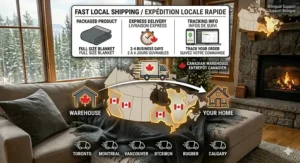
Seasonal Storage and Care for Canadian Climates
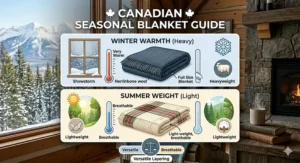
Canadian seasonal temperature extremes mean most households need multiple blanket weights—heavy for winter, light for summer, medium for shoulder seasons. Proper storage and care extend blanket life and maintain performance through these cycles.
Spring Storage for Heavy Winter Blankets
By late April or May (depending on your province), heavy fleece and flannel blankets become uncomfortably warm. Before storing, wash according to manufacturer instructions and ensure completely dry—any residual moisture in storage breeds mold, a common problem in damp Canadian basements. Fold blankets loosely rather than compressing tightly; this maintains loft in materials like fleece. Store in breathable cotton storage bags or plastic bins with ventilation holes (drill them yourself if needed). Avoid storing in humid areas—Canadian basements swing wildly in humidity between seasons. Add cedar blocks or lavender sachets to deter moths, which remain active even in climate-controlled homes.
Fall Preparation for Winter Blankets
Before retrieving winter blankets from storage in October or November, inspect for signs of moisture damage, moth activity, or mold. Air them outside on a dry, sunny day if possible—even 30 minutes of fresh air and UV exposure refreshes stored textiles remarkably well. Wash before first use to remove any accumulated dust or storage odours. Test your blanket’s effectiveness before the first serious cold snap to identify if you need additional layers or replacement—discovering inadequacy when it’s already -20°C outside is poor timing.
Year-Round Active Use Care
Cotton blankets should be washed every 2-3 weeks during active use, more frequently if you have pets or allergies. Canadian winters track in remarkable amounts of dirt, salt, and moisture that soil bedding faster than in milder climates. Fleece and synthetic options can go slightly longer between washes (3-4 weeks) since they resist absorbing moisture and odours. Always wash blankets separately from clothing to prevent lint transfer and allow adequate space for proper agitation. Canadian water being naturally soft in many regions (Atlantic provinces, much of Ontario) is actually advantageous for maintaining blanket softness compared to hard water areas.
Dealing with Winter Static
Static electricity plagues Canadian winter bedding due to indoor humidity regularly dropping below 30%. Beyond anti-static treatments, increase your home’s humidity using humidifiers—ideal indoor humidity sits around 40-45% for both comfort and blanket performance. Avoid over-drying blankets; remove from dryer slightly damp and let air-dry the final 5-10%. The residual moisture helps reduce static when you use them that night. For persistent static, wipe down your blanket with unscented dryer sheets before bed—controversial but effective.
Common Mistakes When Buying Full Size Blankets in Canada
After analyzing hundreds of Canadian customer reviews and complaints on Amazon.ca, certain patterns emerge in buying mistakes that waste money and cause frustration.
Mistake #1: Ignoring Actual Product Dimensions
Too many buyers see “full size” in the title and assume it’ll fit perfectly. But as we’ve covered, full size blankets range from 80×90 to 90×92 inches, and your specific bed setup matters. Measure your mattress, then add 12-15 inches on each side for proper overhang and tucking. A buyer in Edmonton complained their “full size” 80×90 blanket barely covered their mattress—upon measuring, they discovered their bed frame design needed that extra 5 inches most blankets don’t provide. Always verify actual dimensions in the product specifications, not just the size label.
Mistake #2: Choosing Material Based on Online Description Alone
Product descriptions make every material sound perfect, but Canadian conditions expose limitations quickly. Cotton is “breathable and comfortable year-round”—true, but inadequate during prairie winters without layering. Fleece is “warm and cozy”—absolutely, but suffocating for hot sleepers or anyone in a well-heated apartment. Read reviews specifically from Canadian buyers in climates similar to yours. A blanket perfect for Vancouver’s mild winters performs differently in Yellowknife. Filter reviews by verified purchase and sort by most recent to see current quality (manufacturing can change over time).
Mistake #3: Overlooking Thread Count and GSM Specifications
Many Canadian buyers focus exclusively on material type and ignore construction quality indicators. GSM (grams per square metre) measures fabric weight—higher numbers generally mean more substantial blankets, but this needs context. A 300 GSM cotton blanket provides moderate warmth; 400+ GSM offers significant insulation. For fleece, even 250-300 GSM provides considerable warmth due to material properties. Zero GSM specification in the listing should raise concerns about quality transparency. Similarly, “high thread count” claims without actual numbers often mean mediocre quality using deceptive marketing.
Mistake #4: Not Considering Long-Term Care Requirements
That lovely white cotton waffle blanket looks elegant in product photos, but consider your actual lifestyle. White shows every mark in Canadian winters when you’re tracking in dirt and salt constantly. Do you have pets? Children? Someone who eats in bed? (No judgment—we’ve all been there.) Darker colours or patterns hide inevitable stains better and maintain appearance longer. Also verify washing instructions match your available equipment—some blankets require gentle cycle and air drying, impractical for busy Canadian households without outdoor drying space during eight-month winters.
Mistake #5: Buying Single Blankets for Varied Sleeper Temperatures
If you share your bed, the “one blanket fits all” approach rarely works. Canadians know the struggle: one partner is always too hot, the other always too cold. Consider buying two separate full size blankets for a full bed rather than fighting over one. Scandinavian countries have used this approach for generations, and it works remarkably well. Each person controls their own warmth level, and you’re not yanking covers off each other at 3 AM. Two $45 blankets total $90—same as one premium option, but with dramatically better sleep quality for both parties.
Full Size Blankets for Specific Canadian Scenarios
Urban Condo Living (Toronto, Vancouver, Montreal)
Modern condos typically have excellent insulation and steady heating, but they also feature smaller bedrooms where space-efficient storage matters. For condo dwellers, prioritize lighter cotton or thermal weave blankets that fold compactly. The Utopia Cotton Thermal or PHF Waffle options work well—they provide adequate warmth without bulk, and they don’t require extensive storage space during off-seasons. Many condos also have in-unit stackable washers and dryers with smaller capacities; fleece and cotton thermals wash and dry more easily in compact machines than heavy flannel options.
Rural and Small-Town Living (Prairies, Northern Ontario, Maritimes)
Rural Canadian homes often struggle with older heating systems, drafty construction, and exposure to wind chill that urban homes don’t experience. Here, prioritize maximum insulation: the Bedsure Flannel Fleece or Canadian Linen Down Alternative become essential rather than optional. Layer multiple blankets without embarrassment—rural Canadians understand that functionality trumps aesthetics when it’s -35°C with 50 km/h winds. Consider keeping a “guest room emergency blanket” that’s extra warm specifically for visitors unaccustomed to rural Canadian winter reality.
Student Housing and First Apartments
University students and young professionals in their first apartments face budget constraints but still need functional bedding. The Utopia Bedding Fleece at $40 CAD represents the best value for limited budgets. It provides excellent warmth (crucial in older rental buildings with landlord-controlled heat that’s always inadequate), washes easily in shared laundry facilities, and costs little enough that replacing it after a few years isn’t financially stressful. For students moving between apartments annually, lightweight fleece also reduces moving hassle compared to bulky, heavy cotton options.
Cottage and Seasonal Property Use
Canadian cottage owners need blankets that handle inconsistent climate control—cottages are cold when you arrive, then overheated once the fireplace gets going. Cotton thermal blankets excel in this variable environment. They layer well, breathe during warm periods, and handle the humidity that lakefront properties experience. Store extra blankets at the cottage so you’re prepared for unexpected guest arrivals—nothing says “inadequate host” like not having enough blankets during a surprise cold snap. Choose darker colours or patterns that hide the inevitable dock splinters, lake water, and campfire smoke that cottage life entails.
FAQ: Full Size Blankets for Canadian Homes
❓ Are full size blankets warm enough for Canadian winters?
❓ Can I use the same full size blanket year-round in Canada?
❓ How often should I wash my full size blanket in Canadian conditions?
❓ What's the standard size for full size blankets sold on Amazon.ca?
❓ Do full size blankets from Amazon.ca meet Canadian safety standards?
Conclusion: Finding Your Ideal Full Size Blanket for Canadian Living
After examining dozens of full size blankets available on Amazon.ca and analyzing performance across Canadian climate conditions, several clear patterns emerge for smart purchasing.
If your budget sits around $50 CAD or less, the Utopia Bedding Fleece delivers exceptional warmth-to-dollar value that’s difficult to match—ideal for cold sleepers, student housing, or guest rooms that need reliable performance without premium investment. For those able to stretch toward $55-65 CAD, the Bedsure GentleSoft Cotton represents the sweet spot for most Canadian households, balancing year-round usability with adequate winter warmth and summer breathability. Premium buyers investing $70-80 CAD should strongly consider the Threadmill Herringbone or PHF Waffle Cotton—both offer superior construction quality, aesthetic appeal, and longevity that justify the higher initial cost over five-plus years of use.
The reality of Canadian climate demands flexibility in bedding. Our dramatic temperature swings, from summer humidex readings above 35°C to winter wind chills below -40°C, mean no single blanket perfectly handles every month. The most successful Canadian households maintain a small rotation—a lighter cotton thermal for summer and shoulder seasons, a heavier fleece or flannel for deep winter. This approach costs less than constantly replacing inadequate compromises and delivers genuine comfort throughout our extreme seasons.
Remember that proper care extends blanket life significantly in Canadian conditions. Our long winters mean blankets work harder here than in temperate climates—they’re exposed to more washing, more static electricity, more temperature stress. Following manufacturer care instructions, avoiding over-drying, and proper seasonal storage pay dividends in maintained performance. The $55 blanket that lasts five years costs far less per year than the $30 option needing replacement after 18 months.
Finally, don’t underestimate the value of reading reviews from other Canadian buyers specifically. Someone in Arizona raving about a blanket’s performance provides minimal useful information for Edmonton winters. Filter for Canadian purchasers when possible, and weight recent reviews more heavily—manufacturing quality can change over time even for established brands. Your ideal full size blanket exists on Amazon.ca; finding it requires matching material, weight, and construction to your specific Canadian reality rather than generic online recommendations.
Recommended for You
- 7 Best Cal King Blankets for Tall People Canada 2026
- 7 Warmest King Blankets for Canadian Winter 2026
- 7 Best Luxury King Size Blankets Canada 2026
Disclaimer: This article contains affiliate links. As an Amazon Associate, I earn from qualifying purchases. If you purchase products through these links, we may earn a small commission at no additional cost to you.
✨ Found this helpful? Share it with your friends! 💬🤗
