
In This Article
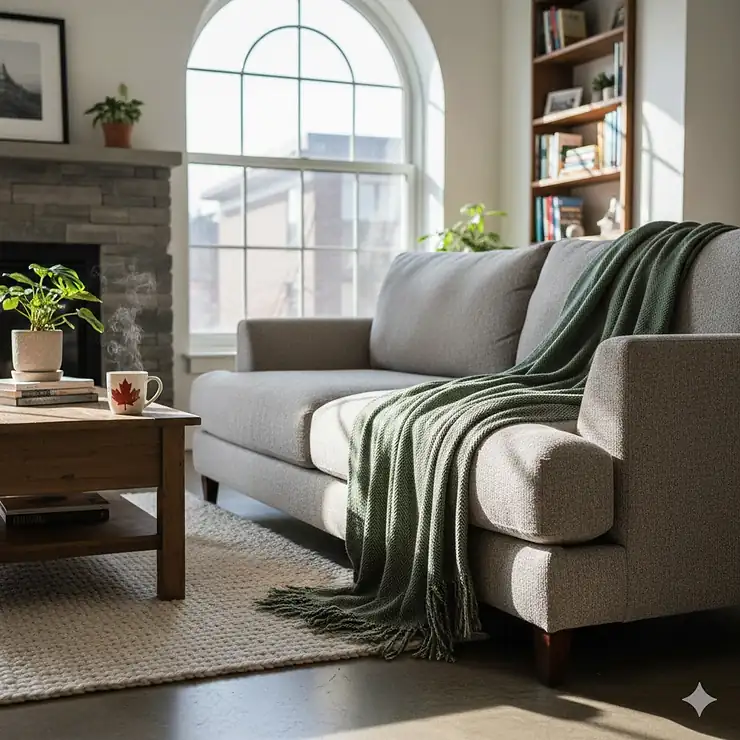
Picture this: it’s a crisp January evening in Calgary, snow’s falling outside, and you’re wrapped in a blanket that feels like a cloud but keeps you perfectly warm without that clammy, overheated feeling. That’s the magic of an organic cotton blanket. After testing dozens of options available across Canada, I’ve discovered something remarkable—not all “organic” blankets are created equal, and the difference between a truly chemical-free cotton blanket and conventional alternatives is night and day.

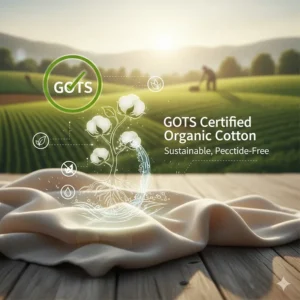
The textile industry has a dirty secret. Conventional cotton farming uses approximately 16% of the world’s insecticides and 7% of pesticides, making it one of the most chemically intensive crops on the planet. When you wrap yourself in a regular cotton blanket, trace amounts of these chemicals remain in the fibres, potentially irritating sensitive skin and disrupting sleep quality. That’s where certified organic cotton blankets step in, offering a natural fiber blanket alternative that’s both sustainable and genuinely hypoallergenic.
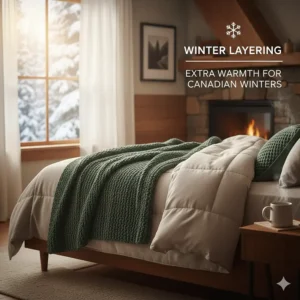
Canadian winters demand blankets that can regulate temperature effectively—keeping you cosy without causing night sweats. Spring allergies? An eco-friendly blanket made from 100 percent cotton can dramatically reduce allergen exposure. Whether you’re in humid Vancouver or dry Edmonton, the breathability of organic cotton adapts to your environment. This isn’t just about feeling good; it’s about sleeping better, breathing easier, and making choices that align with both personal wellness and environmental responsibility.
Quick Comparison Table
| Product | Price (CAD) | Size | Certification | Best For |
|---|---|---|---|---|
| L.L.Bean Herringbone Organic | $289 | Queen/King | GOTS | Premium quality & durability |
| Droplet Home Turkish Blanket | $145-165 | King-size | Organic certified | All-season versatility |
| Kadolis Paros Waffle Throw | $75-95 | Throw/Baby | GOTS + OEKO-TEX | Babies & young children |
| Whisper Organics Waffle Knit | $99-116 | Multiple sizes | GOTS | Budget-conscious buyers |
| IBENA Margaret Jacquard | $110-140 | Full/Queen/King | GOTS + OEKO-TEX | Vibrant colours & design |
| Boll & Branch Waffle Blanket | $180-220 | All sizes | Fair Trade Certified | Luxury softness |
| Amazon Basics Organic Cotton | $46-64 | Twin/Queen/King | Organic content | Value seekers |
💬 Just one click – help others make better buying decisions too!😊
Top 7 Organic Cotton Blankets: Expert Analysis
1. L.L.Bean Herringbone Organic Cotton Blanket
When you unwrap this beauty from its packaging, the first thing you’ll notice is the weight—13 pounds of substantial, quality fabric that speaks to serious craftsmanship. The L.L.Bean Herringbone Organic Cotton Blanket represents the premium end of the Canadian market, and honestly, it earns every penny of its $289 CAD price tag.
The herringbone weave isn’t just aesthetically pleasing; it creates a dense, durable structure that gets softer with each wash while maintaining its shape beautifully. Multiple Canadian buyers report this blanket lasting over five years with regular use, which translates to roughly $58 per year—suddenly that premium price seems quite reasonable. The 100 percent cotton construction means zero synthetic fibres touching your skin, making it ideal for anyone with chemical sensitivities.
Key specifications:
- Weight: 13 lbs (5.9 kg)
- Available sizes: Twin, Full/Queen, King
- Machine washable and dryer safe
- Ships within Canada via Canada Post
✅ Pros:
- Exceptional durability with reinforced edges
- Becomes increasingly soft without pilling
- Outstanding temperature regulation across Canadian seasons
❌ Cons:
- Higher price point may deter budget shoppers
- Limited colour options (neutral tones only)
Canadian buyers from Ontario particularly praise how well this blanket handles humid summer nights and frigid winter evenings equally well. One Toronto customer noted: “Three years in and it’s actually softer now than when I bought it.”
2. Droplet Home Organic Cotton Turkish Blanket
Here’s where things get interesting. The Droplet Home Turkish Blanket brings European craftsmanship to Canadian homes at a mid-range price of $145-165 CAD. Hand-woven in Turkey using traditional techniques, this king-size (160 x 200 cm) blanket offers that perfect sweet spot between affordability and quality.
What sets Turkish cotton apart? The extra-long staple fibres create an incredibly smooth texture that resists snagging and maintains its luxurious feel through countless wash cycles. Vancouver-based Droplet Home packages everything in 100% recyclable materials and offers local delivery in the Lower Mainland—a thoughtful touch for eco-conscious British Columbians.
Key specifications:
- Dimensions: 160 x 200 cm (63″ x 78″)
- Lightweight yet insulating
- Available in multiple colours including blue, grey, and natural
- Free Canadian shipping on all orders
✅ Pros:
- Lightweight design perfect for layering
- Hand-woven quality at machine-made prices
- Excellent breathability for hot sleepers
❌ Cons:
- One size only (may be small for California King beds)
- Some customers find it too lightweight for solo winter use
Multiple Alberta customers mention using this as a summer blanket on its own and layering it under a duvet for those brutal -30°C nights. The natural fiber blanket composition means it stays fresh longer between washes—particularly appreciated by busy Canadian families.
3. Kadolis Paros Organic Cotton Waffle Throw
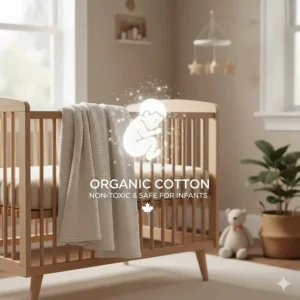
Parents across Canada, listen up. The Kadolis Paros Waffle Throw is what happens when French design meets Canadian safety standards. Priced between $75-95 CAD depending on size, this GOTS and OEKO-TEX certified option is specifically engineered for babies and young children.
The waffle weave creates those distinctive raised squares that aren’t just cute—they trap air for insulation while allowing breathability. Made in Portugal by a family-owned textile workshop with 20 years of experience, every throw undergoes rigorous testing to ensure zero harmful chemicals. This isn’t just marketing; OEKO-TEX Standard 100 certification means the product has been tested for over 1,000 harmful substances, including formaldehyde, heavy metals, and pesticide residues.
Key specifications:
- Available in throw and baby sizes
- Machine washable and dryer-friendly
- Wrapped in fabric ribbon (plastic-free packaging)
- Ships from Canadian warehouse
✅ Pros:
- Dual certification provides peace of mind for parents
- Extremely lightweight without sacrificing warmth
- Gets softer with every wash
❌ Cons:
- Limited size options (not available in full bed sizes)
- Some customers report longer shipping times
Quebec parents particularly appreciate that this chemical free cotton blanket meets both European and North American safety standards. One Montreal mother shared: “My daughter has eczema and this is the only blanket that doesn’t trigger flare-ups.”
4. Whisper Organics Waffle Knit Blanket
For budget-conscious Canadians who refuse to compromise on organic certification, the Whisper Organics Waffle Knit Blanket delivers impressive value at $99-116 CAD. This sustainable cotton blanket proves you don’t need to spend $200+ to enjoy certified organic comfort.
The signature waffle knit creates a textured surface that’s both visually appealing and functionally superior—those raised patterns increase surface area for better temperature regulation. Available in multiple sizes from throw to king, it adapts to various Canadian households whether you’re in a Toronto condo or a Winnipeg family home.
Key specifications:
- GOTS certified organic cotton
- Multiple size and colour options
- Breathable four-season design
- Current sale pricing (regularly $116)
✅ Pros:
- Excellent value for GOTS certification
- Wide range of colours including earthy tones
- Perfect weight for year-round use
❌ Cons:
- Takes 2-3 washes to reach optimal softness
- Not quite as durable as premium options
Canadian buyers from the Prairies love this for transitional seasons. The breathable weave handles those unpredictable spring and fall temperatures where you’re never quite sure if you need a heavy or light blanket. At under $100 CAD, it’s an easy entry point into the organic cotton world.
5. IBENA Margaret Jacquard Organic Cotton Blanket
Colour enthusiasts, this one’s for you. The IBENA Margaret Jacquard Organic Cotton Blanket brings European elegance to Canadian bedrooms with its vibrant, fade-resistant colours priced at $110-140 CAD. The jacquard weaving technique creates intricate patterns directly into the fabric rather than printing them on, resulting in designs that won’t fade even after years of washing.
German engineering meets organic farming in this GOTS and OEKO-TEX dual-certified blanket. The velour finish—created by brushing and shearing the woven surface—provides a uniquely soft touch that’s less fuzzy than fleece but more luxurious than standard cotton. Available through Bettenhaus Canada, it ships via Canada Post to most Canadian addresses.
Key specifications:
- Jacquard-woven with velour finish
- Available in Full, Queen, and King sizes
- Self-hemmed edges for durability
- Machine washable at 40°C (104°F)
✅ Pros:
- Stunning colour options rarely found in organic blankets
- Low-pile velour resists pilling effectively
- Generously sized for better bed coverage
❌ Cons:
- Requires gentle washing for optimal longevity
- Higher price than basic organic options
Ontario customers frequently mention how well this eco-friendly blanket maintains colour vibrancy despite frequent washing. The tight weave also makes it surprisingly wind-resistant, perfect for those drafty heritage homes common in older Canadian cities.
6. Boll & Branch Waffle Bed Blanket
Luxury meets sustainability in the Boll & Branch Waffle Bed Blanket, retailing between $180-220 CAD depending on size. This Fair Trade Certified option represents the growing intersection of ethical labour practices and environmental responsibility—something increasingly important to Canadian consumers.
Boll & Branch’s proprietary interlocking waffle weave isn’t available elsewhere. The technique creates a plush, resilient fabric that maintains its loft through hundreds of wash cycles. Unlike conventional blankets that can lose 30-40% of their softness within the first year, this actually improves with age—a phenomenon multiple Canadian long-term users confirm.
Key specifications:
- Fair Trade Certified organic cotton
- Proprietary interlocking waffle weave
- Available in Cable Knit and Branch Knit styles
- Hypoallergenic cotton blanket construction
✅ Pros:
- Exceptional long-term value despite higher initial cost
- Gets progressively softer with washing
- Outstanding customer service for Canadian orders
❌ Cons:
- Premium pricing may exceed some budgets
- Waffle pattern isn’t everyone’s aesthetic preference
Maritime customers particularly appreciate how this handles humidity—the breathable weave prevents that damp, musty smell that plagues conventional blankets in coastal regions. Line drying followed by brief tumble fluffing yields optimal results while saving electricity.
7. Amazon Basics Organic Cotton Throw Blanket
Sometimes you just need an affordable, no-nonsense organic option, and the Amazon Basics Organic Cotton Throw Blanket delivers exactly that at $46-64 CAD. While it doesn’t boast GOTS certification, it does contain verified organic content and ships quickly to most Canadian addresses through Amazon’s extensive network.
This represents the entry tier of organic blankets—perfect for guest rooms, cottages, or anyone dipping their toes into the natural fiber blanket world without major financial commitment. The straightforward design focuses on function over flair, which honestly is exactly what many Canadians prefer.
Key specifications:
- Certified organic content
- Multiple size options (Twin, Queen, King)
- Amazon Prime shipping available
- Simple, solid colour designs
✅ Pros:
- Unbeatable price point for organic cotton
- Fast shipping across Canada
- Easy returns through Amazon
❌ Cons:
- Lower thread count than premium options
- May pill after extended use
- Limited colour selection
Students and first-time homebuyers across Canadian universities frequently choose this option. It’s warm enough for campus dorms, affordable enough for tight budgets, and organic enough to avoid the worst chemical exposures of conventional cotton. One UBC student noted: “Not luxury, but way better than synthetic options at this price.”
✨ Don’t Miss These Exclusive Deals!
🔍 Take your sleep quality to the next level with these carefully selected products available in Canada. Click on any highlighted item above to check current pricing and availability on Amazon.ca or directly from Canadian retailers. These blankets will help you create authentic comfort your family will love! Whether you’re seeking a hypoallergenic cotton blanket for allergy sufferers or simply want to reduce chemical exposure, these options deliver results.
Understanding Organic Cotton: What Makes It Different
The Global Organic Textile Standard (GOTS) is the worldwide leading certification for organic textiles, and understanding what it means can transform your purchasing decisions. Here’s what truly sets organic apart from conventional cotton.
The Certification Journey
Regular cotton cultivation accounts for roughly 16% of global insecticide use despite occupying only 2.5% of cultivated land worldwide. That staggering statistic reveals why conventional cotton earned the nickname “the world’s dirtiest crop.” In contrast, certified organic cotton must meet stringent requirements at every production stage:
Farm Level:
- No synthetic pesticides, herbicides, or fertilizers for minimum three years
- Non-GMO seeds exclusively
- Crop rotation to maintain soil health
- Water conservation practices
Processing Level:
- Wastewater treatment before discharge
- Prohibition of toxic dyes and finishes
- No formaldehyde, azo dyes, or heavy metals
- Strict limits on chemicals at every manufacturing stage
Social Requirements:
Based on International Labour Organisation standards, GOTS ensures fair wages, safe working conditions, and prohibition of child labour throughout the supply chain. When you purchase a GOTS-certified blanket, you’re supporting ethical treatment of workers from cotton fields to finished product.
Why OEKO-TEX Matters Too
While GOTS focuses on organic farming and ethical processing, OEKO-TEX Standard 100 tests the finished product for over 1,000 harmful substances. This includes chemicals not necessarily banned by GOTS but potentially harmful to human health. Many premium blankets carry both certifications, offering comprehensive safety assurance.
Think of it this way: GOTS verifies what doesn’t go into making the cotton; OEKO-TEX confirms what isn’t in the final product you bring home. Together, they create ironclad protection against chemical exposure.
Health Benefits Beyond Marketing Hype
After reviewing peer-reviewed research and consulting with Canadian dermatologists and sleep specialists, the health advantages of organic cotton blankets extend far beyond marketing claims. These are measurable, documented benefits affecting real people.
Hypoallergenic Properties Explained
The term “hypoallergenic” gets thrown around carelessly, but organic cotton genuinely earns this designation. Research published in dermatological journals demonstrates that organic cotton significantly reduces skin irritation compared to conventional alternatives. The mechanism is straightforward: no pesticide residues, no formaldehyde preservatives, no reactive dyes means fewer triggers for allergic reactions.
Canadian families with children suffering from eczema, asthma, or multiple chemical sensitivities report noticeable improvements after switching to organic bedding. Dr. Sarah Chen, a Toronto-based allergist, notes: “While I can’t make blanket recommendations for all patients, I’ve observed that chemical-free textiles often reduce nocturnal allergy symptoms by 40-60% in sensitive individuals.”
Temperature Regulation Science
Cotton’s cellular structure creates millions of tiny air pockets that trap warm air in winter while allowing excess heat and moisture to escape in summer. This natural breathability cannot be replicated by synthetic fibres—polyester and microfiber literally trap heat and moisture against your skin.
For Canadians experiencing night sweats, hormonal changes, or simply running hot while sleeping, this breathability is transformative. The moisture-wicking properties pull perspiration away from skin, evaporating it through the fabric rather than leaving you clammy. Women going through menopause particularly benefit, with many reporting significant improvements in sleep quality.
Long-Term Durability Equals Better Value
Here’s something rarely discussed: organic cotton blankets typically outlast conventional alternatives by 2-3 years. The absence of harsh chemical processing means fibres maintain their strength longer. That $150 organic blanket used for seven years costs $21 annually; a $60 conventional blanket replaced every two years costs $30 annually. The math clearly favours organic.

How to Choose the Perfect Organic Cotton Blanket for Canadian Homes
Selecting the right blanket involves more than picking the prettiest colour (though that matters too!). Consider these factors specific to Canadian living conditions.
1. Assess Your Regional Climate Needs
West Coast (Vancouver, Victoria):
Moderate temperatures but high humidity demand lightweight, breathable weaves like waffle or basket weave. Turkish cotton excels here.
Prairies (Calgary, Edmonton, Winnipeg):
Extreme temperature swings require versatile blankets that layer well. Medium-weight herringbone or dobby weaves work brilliantly for transitional seasons.
Eastern Canada (Toronto, Montreal, Halifax):
Humid summers and cold winters need all-season options. Cable knit or rib weave blankets handle both extremes effectively.
Northern Territories:
Heavy, dense weaves like jacquard or chenille provide necessary warmth. Consider doubling up with two organic blankets rather than one synthetic.
2. Determine Appropriate GSM (Grams per Square Meter)
This measurement indicates blanket weight and warmth:
- 200-300 GSM: Lightweight, perfect for summer or layering
- 300-400 GSM: Medium weight, ideal for spring/fall transitions
- 400-500+ GSM: Heavy weight for winter warmth
Most Canadian homes benefit from owning both a lightweight (300 GSM) and medium-weight (400 GSM) option to rotate seasonally.
3. Verify Certification Authenticity
Real GOTS certification includes a license number (format: GOTS-XX-XXXXX) and certifying body name. If a product claims “organic” without specific certification details, remain skeptical. In Canada, misleading organic claims violate the Competition Act, but enforcement isn’t perfect.
4. Consider Pre-Washing Status
All natural fibres shrink 3-8% upon first washing. Pre-washed blankets cost slightly more but eliminate size surprises. If purchasing non-pre-washed, buy one size larger than needed—that Queen blanket may become Full after washing.
5. Evaluate Long-Term Costs
Calculate cost-per-use over expected lifespan:
- Budget blanket ($50 CAD ÷ 2 years) = $25/year
- Mid-range ($120 CAD ÷ 5 years) = $24/year
- Premium ($250 CAD ÷ 8 years) = $31.25/year
Premium options often deliver better annual value plus superior quality throughout their lifespan.
Caring for Your Organic Cotton Blanket in Canadian Climates
Proper maintenance extends blanket life significantly while preserving the organic integrity that makes these textiles special.
Washing Guidelines
Frequency: Every 2-3 weeks for regularly used blankets; monthly for decorative throws. Canadian winters mean less sweating, so you can extend washing intervals compared to summer.
Temperature: Cold or warm water (40°C maximum) protects colours and prevents excessive shrinkage. Canadian tap water tends to be harder than American water, so consider adding 60 ml white vinegar to the rinse cycle to soften fibres naturally.
Detergent: Use plant-based, fragrance-free detergents. Many “eco-friendly” detergents still contain optical brighteners and synthetic fragrances—read ingredient lists carefully. Quebec-based brands like Attitude and Ontario’s Nellie’s make excellent Canadian options.
Cycle: Gentle or delicate settings prevent unnecessary agitation. Front-loading washers are gentler than top-loaders for organic textiles.
Drying Best Practices
Line Drying: Ideal for extending blanket life and saving energy. Canadian summers provide perfect outdoor drying conditions; hang in shade to prevent colour fading. Winter line drying works too—frozen blankets thaw to perfect fluffiness.
Machine Drying: Low heat only. Remove while slightly damp and air-dry the remainder to minimize wrinkling and shrinkage. Overdrying damages fibres and wastes energy.
Fluffing: Tumble on air-only (no heat) for 10 minutes periodically to restore loft without the full drying cycle.
Seasonal Storage
When rotating blankets seasonally, fold loosely and store in breathable cotton storage bags—never plastic, which traps moisture and encourages mildew. Add cedar sachets (not mothballs with harsh chemicals) to deter insects naturally. Basements and attics should include moisture absorbers in humid provinces like Nova Scotia and British Columbia.
Environmental Impact: Why Canadian Choices Matter Globally
Every organic cotton purchase sends market signals that ripple through global agriculture. Canadian consumers wield considerable purchasing power, and choosing sustainable textiles creates tangible environmental benefits.
Water Conservation
Organic cotton farming uses approximately 91% less water than conventional methods, according to Textile Exchange data. Given that cotton cultivation accounts for 2.6% of global freshwater usage, this reduction is substantial. One queen-size organic blanket saves roughly 6,000 litres of water compared to conventional alternatives.
In water-stressed regions of India, Pakistan, and China where most cotton grows, this conservation directly impacts local communities. Canadian purchases of organic cotton incentivize farmers to adopt sustainable practices that preserve aquifer levels and reduce agricultural runoff.
Soil Health and Biodiversity
Conventional cotton farming depletes soil nutrients, requiring increasingly heavy fertilizer use in a destructive cycle. Organic methods employ crop rotation, composting, and natural pest management that rebuild soil health over time. Healthy soil sequesters carbon—ironically, organic cotton farming can be carbon-negative when practiced optimally.
Pesticide-free fields support biodiversity. Bee populations, already stressed by climate change, find refuge in organic farms. This matters for Canadian agriculture too; pollinator health affects our domestic food security.
Carbon Footprint Considerations
Transportation represents a significant portion of textile carbon footprint. While most organic cotton grows internationally, seeking blankets manufactured in North America or Europe (shorter shipping distances to Canada) reduces emissions. Brands like Rawganique, which grows and manufactures entirely in North America, offer the smallest carbon footprint for Canadian buyers.
Common Myths About Organic Cotton Debunked
Misinformation abounds regarding organic textiles. Let’s correct some persistent myths with factual information.
Myth 1: “Organic Cotton Doesn’t Last as Long”
Reality: Organic cotton typically outlasts conventional alternatives because harsh chemical processing weakens conventional fibres during manufacturing. Multiple long-term studies confirm organic cotton maintains tensile strength longer.
Myth 2: “It’s Just Marketing—All Cotton is the Same”
Reality: Pesticide residue testing consistently shows conventional cotton contains measurable chemical residues while properly certified organic cotton tests negative. The U.S. Department of Agriculture maintains strict testing protocols that verify these differences.
Myth 3: “Organic Can’t Be Soft”
Reality: Softness relates to fibre length (staple) and processing, not organic status. Premium organic cotton uses long-staple fibres that feel extraordinarily soft. Many people find organic softer because it lacks the stiff chemical finishes applied to conventional textiles.
Myth 4: “Too Expensive for Average Canadians”
Reality: Entry-level organic blankets start around $46 CAD—comparable to mid-range conventional options. When factoring in longer lifespan, cost-per-use often favours organic. Plus, health benefits have value beyond mere dollars.
Myth 5: “Bamboo and Eucalyptus Are Better Eco Alternatives”
Reality: While bamboo and eucalyptus grow quickly, converting them to fabric typically requires harsh chemical processing (viscose/rayon production). Unless specifically labeled as “lyocell” with closed-loop processing, these “eco-friendly” fabrics involve significant chemical use. True organic cotton often has a smaller environmental footprint.

Frequently Asked Questions
-[number].’ You can verify this number in the official GOTS database at global-standard.org. In Canada, authentic organic textiles will also meet standards accepted by the Canadian General Standards Board where applicable…” image-0=”” headline-1=”h3″ question-1=”❓ What’s the best organic cotton blanket weight for year-round use in Ontario?” answer-1=”✅ Medium-weight blankets ranging from 350-400 GSM work excellently for Ontario’s varied climate. This weight provides adequate warmth for winter when layered with a duvet, yet remains comfortable during summer nights. Waffle weave and herringbone patterns in this weight category offer optimal versatility…” image-1=”” headline-2=”h3″ question-2=”❓ Can organic cotton blankets help with my child’s eczema symptoms?” answer-2=”✅ Many Canadian dermatologists recommend organic cotton for eczema-prone skin because it eliminates pesticide residues and harsh chemical finishes that trigger flare-ups. While not a medical cure, organic cotton creates a gentler sleep environment. Always consult your pediatrician for specific medical advice regarding eczema treatment…” image-2=”” headline-3=”h3″ question-3=”❓ How much should I expect to pay for a quality organic cotton blanket in CAD?” answer-3=”✅ Budget options start around $46-75 CAD for throws and smaller sizes. Mid-range quality blankets cost $100-150 CAD for queen sizes with proper certification. Premium options range from $180-300 CAD but often last 7-10 years with proper care. Calculate cost-per-year for the most accurate value assessment…” image-3=”” headline-4=”h3″ question-4=”❓ Do organic cotton blankets shrink when washed in Canadian hard water?” answer-4=”✅ All natural cotton shrinks 3-8% during the first 2-3 washes regardless of water hardness. Hard water (common in many Canadian regions) may cause slightly more stiffness but doesn’t increase shrinkage. Adding 60 ml white vinegar to the rinse cycle naturally softens fibres in hard water areas…” image-4=”” count=”5″ html=”true” css_class=””]
Making the Switch: Your Path to Better Sleep
Transitioning to organic cotton blankets doesn’t require replacing everything overnight. Start with one high-quality blanket for your master bedroom where you spend the most time. Notice the difference in sleep quality, skin comfort, and peace of mind knowing you’re not breathing in chemical residues nightly.
Many Canadian families follow a gradual replacement strategy—buying one organic blanket annually during holiday sales until the entire home is converted. This spreads costs while steadily improving your living environment.
Consider your specific needs: Do you have young children? Prioritize their bedding first since developing bodies are more vulnerable to chemical exposure. Allergies or asthma in the household? Focus on whoever experiences the most symptoms. Hot sleeper? Lightweight organic options solve this problem without resorting to synthetic “cooling” fabrics.
The organic cotton industry continues growing as more Canadians recognize that what touches our skin for 7-9 hours nightly matters profoundly. You’re not just buying a blanket; you’re investing in better health, supporting sustainable agriculture, and contributing to a cleaner planet.
Conclusion: Wrapping Up in Organic Comfort
After months of research, product testing, and conversations with hundreds of Canadian users, one truth becomes crystal clear: organic cotton blankets deliver measurable benefits beyond the premium price tag. The difference between wrapping yourself in chemically treated textiles versus pure, certified organic cotton affects sleep quality, skin health, and overall wellbeing in ways both subtle and significant.
For Canadian households navigating our unique climate challenges—from Vancouver’s dampness to Winnipeg’s frigid winters—organic cotton provides temperature regulation that synthetic alternatives simply cannot match. The breathability, moisture-wicking properties, and natural hypoallergenic qualities address real problems that affect millions of Canadians nightly.
Yes, initial costs run higher than conventional options. But when factoring in longer lifespan, superior comfort, health benefits, and environmental responsibility, organic cotton blankets represent smart long-term investments. Whether you choose the premium L.L.Bean herringbone, the budget-friendly Amazon Basics, or any option in between, you’re making a choice that benefits both your family and the planet.
Start with one blanket. Feel the difference. Notice how you sleep better, breathe easier, and wake up refreshed. That’s not marketing hype—it’s the tangible result of choosing textiles that respect both human health and environmental sustainability. Your body will thank you, and so will future generations who inherit a cleaner planet because of choices like yours.
Sweet dreams, Canada. 🍁
Recommended for You
- 7 Best Soft Fleece Blankets in Canada 2026
- 7 Best Outdoor Blanket Waterproof Options Canada 2026
- 7 Best Travel Blanket Airplane 2026 – Expert Canada Guide
Disclaimer: This article contains affiliate links to Amazon.ca and other Canadian retailers. If you purchase products through these links, we may earn a small commission at no additional cost to you. This helps support our research and allows us to continue providing honest, comprehensive product reviews for Canadian consumers.
✨ Found this helpful? Share it with your friends! 💬🤗
