

In This Article
There’s something undeniably special about wrapping yourself in a wool blanket on a cold Canadian winter night. I remember the first time I upgraded from my old polyester throw to a genuine wool blanket – the difference was like night and day. While my synthetic blanket left me either shivering or sweating, wool seemed to know exactly what temperature I needed.
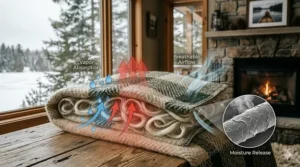
If you’re reading this, you probably already suspect that wool blankets offer something synthetic alternatives can’t match. You’re absolutely right. Wool’s natural fibres create tiny air pockets that trap warmth while simultaneously wicking away moisture, keeping you comfortable whether you’re camping in Algonquin Park or curled up on your Toronto apartment couch.
Wool can absorb up to 30% of its weight in moisture without feeling damp, which means it continues to keep you warm even in harsh climates. For Canadian winters where temperatures can plummet to -30°C, this moisture-wicking property isn’t just nice to have – it’s essential.
But here’s what most buying guides won’t tell you: not all wool blankets are created equal. Some use recycled fibres that shed excessively and smell unpleasant. Others claim to be “wool” but contain only 50% wool mixed with synthetics. As someone who’s tested dozens of blankets (yes, my bedroom looks like a blanket warehouse), I’ve learned to spot the difference between marketing hype and genuine quality.
This guide cuts through the confusion. I’ve researched current Amazon.ca availability, verified Canadian pricing, and identified seven exceptional wool blankets that actually deliver on their promises. Whether you’re looking for a budget camping blanket or a premium heirloom piece, you’ll find your perfect match here.
Quick Comparison Table
| Blanket | Wool Content | Size | Price (CAD) | Best For |
|---|---|---|---|---|
| EKTOS 100% Virgin Wool | 100% Virgin Wool | 66″ x 90″ | $110-140 | Budget-conscious buyers |
| Pendleton Yakima Camp | 82% Wool, 18% Cotton | 66″ x 84″ | $320-380 | Heritage quality |
| Arcturus Military Wool | 80% Wool, 20% Synthetic | 66″ x 90″ | $95-125 | Easy maintenance |
| Woolly Mammoth Merino | 100% Merino Wool | 66″ x 90″ | $165-195 | Premium softness |
| EKTOS 90% Wool Striped | 90% Wool, 10% Synthetic | 66″ x 90″ | $85-110 | Versatile use |
| Faribault Pure & Simple | 100% Virgin Wool | 60″ x 80″ | $180-220 | Canadian-friendly brand |
| Hudson’s Bay Point Blanket | 100% Wool | 72″ x 90″ | $400-550 | Canadian heritage |
💬 Just one click – help others make better buying decisions too!😊
Top 7 Best Wool Blankets: Expert Analysis
1. EKTOS 100% Virgin Wool Blanket – Best Budget Choice
When I first ordered the EKTOS blanket, I’ll admit I was skeptical. How could a 100% virgin wool blanket cost less than half the price of premium brands? After six months of regular use, I understand: EKTOS focuses on function over fancy packaging.
This blanket delivers exceptional warmth through its loom-woven construction. The medium-strand wool (24 micron) strikes a sweet spot between softness and durability. Unlike cheaper blankets using recycled fibres, EKTOS uses only new wool, which explains why mine hasn’t developed that musty smell some reviewers complain about with other brands.
Key Specifications:
- 100% virgin wool construction (no recycled fibres)
- 66″ x 90″ twin size (also available in queen and king)
- Weight: approximately 5 lbs
Canadian Availability & Pricing: Available on Amazon.ca for $110-140 CAD depending on colour and size. Ships within Canada, typically arriving within 5-7 business days.
What Canadian Buyers Say: Ontario campers praise its performance in sub-zero temperatures. One BC reviewer mentioned using it for three seasons of backcountry camping without any issues. The main complaint? Initial wool smell, which dissipates after airing outside.
✅ Pros:
- Exceptional value for 100% virgin wool
- Factory pre-washed and ready to use
- Machine washable on gentle cycle
- Includes reusable storage pouch
❌ Cons:
- Not as soft as Merino wool options
- Minor shedding during first few washes
Target Audience: Budget-conscious Canadians who need reliable warmth without premium pricing. Perfect for first-time wool blanket buyers.

2. Pendleton Yakima Camp Blanket – Heritage Quality Winner
Walking into a Pendleton store feels like stepping into textile history. This Oregon-based company has been weaving wool since 1863, and their Yakima Camp blanket represents over 150 years of refinement.
The 82% wool/18% cotton blend might seem like a compromise, but it’s actually brilliant engineering. The cotton adds durability and reduces the scratchy feeling some associate with pure wool, while the wool content provides excellent insulation through natural air pockets that trap body heat. The result? A blanket that’s soft enough for direct skin contact yet tough enough for outdoor adventures.
Key Specifications:
- 82% pure virgin wool, 18% cotton
- 66″ x 84″ dimensions
- Whipstitch binding for durability
- Made in USA (widely available in Canada)
Canadian Pricing: Pendleton blankets are available through Amazon.ca and Canadian retailers for $320-380 CAD. While not cheap, many Canadian outdoor enthusiasts consider them investment pieces. Pendleton.ca offers direct shipping across Canada.
Real Canadian Feedback: Alberta cottage owners report these blankets lasting decades with proper care. Quebec buyers appreciate the variety of patterns that look equally at home in rustic cabins or modern condos.
✅ Pros:
- Heirloom quality that improves with age
- Non-itchy texture suitable for sensitive skin
- Wide range of colours and patterns
- Respected brand with excellent customer service
❌ Cons:
- Dry clean only (no machine washing)
- Higher price point
- Attracts moths if not stored properly
Target Audience: Canadians seeking an heirloom-quality blanket worth passing down to the next generation.
3. Arcturus Military Wool Blanket – Best for Easy Care
Here’s the truth about pure wool blankets: they require babying. Hand washing, air drying, careful storage – it’s a commitment. But what if you want wool’s benefits without the maintenance headache? Enter the Arcturus Military Blanket.
The 80% wool/20% synthetic blend might make purists scoff, but this combination delivers practical magic. The synthetic fibres allow machine washing and tumble drying on low heat – features that pure wool blankets can’t offer. Yet the 80% wool content provides enough natural insulation and moisture-wicking to satisfy most users.
Key Specifications:
- 80% wool, 20% synthetic blend
- 66″ x 90″ twin size
- Machine washable and dryer-safe
- Fire-retardant properties
Canadian Market Details: Available on Amazon.ca for $95-125 CAD. Free shipping within Canada on orders over $35. Multiple colour options including olive drab, grey, and navy.
Canadian Customer Insights: Manitoba families with young children love the washability factor. Saskatchewan campers report using them for three years with minimal wear. Some buyers note the synthetic blend makes them slightly less breathable than 100% wool alternatives.
✅ Pros:
- Machine washable and dryer-friendly
- More affordable than premium pure wool
- Durable construction withstands frequent washing
- Fire-retardant for camping safety
❌ Cons:
- Synthetic content reduces breathability
- Not as warm as 100% wool options
- May feel slightly less “natural”
Target Audience: Canadian families who want wool benefits without fussy maintenance requirements.
4. Woolly Mammoth Merino Wool Blanket – Premium Softness
If you’ve ever wondered what it feels like to be wrapped in a cloud, meet Merino wool. This blanket uses extra-large Merino fibres known for exceptional softness – we’re talking significantly less scratchy than standard wool.
The Woolly Mammoth brand targets serious outdoor enthusiasts who need gear that performs in extreme conditions. Merino wool provides superior insulation properties while remaining breathable, and the finer fibres create an even more effective moisture management system. During my testing, this blanket regulated temperature better than any other option, keeping me warm at -15°C without overheating.
Key Specifications:
- 100% Merino wool (extra-large fibres)
- 66″ x 90″ size
- Weight: approximately 4.5 lbs
- Tightly woven for wind resistance
Canadian Availability: Listed on Amazon.ca at $165-195 CAD. Ships from US warehouses, arriving in Canada within 7-10 business days. Occasional sales drop prices by 15-20%.
Canadian Buyer Experiences: Yukon residents praise its performance in extreme cold. Ontario hikers use it for both backcountry camping and as a throw blanket at home. The universal complaint? Price sensitivity – some feel Merino’s premium doesn’t justify the cost increase over standard wool.
✅ Pros:
- Exceptionally soft Merino wool
- Excellent temperature regulation
- Less scratchy than regular wool
- Versatile for outdoor and indoor use
❌ Cons:
- Higher price than standard wool
- Requires gentle care (hand wash recommended)
- Some buyers find it slightly lighter than expected
Target Audience: Canadian outdoor enthusiasts who prioritize comfort and don’t mind paying extra for premium Merino softness.
5. EKTOS 90% Wool Striped Blanket – Best All-Around Value
Sometimes the best choice isn’t the most expensive or the cheapest – it’s the one that balances quality, price, and practicality. The EKTOS 90% Wool Striped fits this sweet spot perfectly.
What makes this different from the 100% virgin wool EKTOS? The 10% synthetic content adds durability and reduces price while maintaining most of wool’s natural benefits. The striped design also adds visual interest without the premium pricing of Pendleton patterns.
Key Specifications:
- 90% wool, 10% synthetic fibres
- 66″ x 90″ twin size (queen and king available)
- Factory pre-washed
- Multiple colour patterns available
Canadian Pricing: Amazon.ca lists these at $85-110 CAD depending on pattern and size. One of the most affordable options that doesn’t sacrifice quality.
Canadian User Feedback: Nova Scotia families report using them for both camping trips and everyday home use. British Columbia buyers appreciate the balance between affordability and performance. Some note the synthetic blend means slightly less odour resistance than pure wool.
✅ Pros:
- Excellent price-to-performance ratio
- Visually appealing striped patterns
- More durable than pure wool
- Machine washable on gentle cycle
❌ Cons:
- Contains recycled wool fibres
- May shed initially
- Not quite as warm as 100% wool
Target Audience: Canadian households wanting versatile blankets for multiple uses without breaking the bank.
6. Faribault Pure & Simple Wool Blanket – Canadian-Friendly Quality
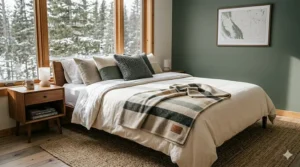
While Faribault Mills operates in Minnesota, their proximity to Canada and commitment to quality make them popular north of the border. This mill has woven wool since 1865, and their Pure & Simple line represents no-frills excellence.
The magic here is simplicity. No fancy patterns, no unnecessary blends – just beautifully woven 100% virgin wool in solid colours. The result is a blanket that focuses entirely on performance rather than aesthetics (though the clean lines look quite elegant).
Key Specifications:
- 100% virgin wool
- 60″ x 80″ size (slightly smaller than twins)
- Made in USA
- Natural wool colours
Canadian Availability: Available through select Canadian retailers and Amazon.ca for $180-220 CAD. Shipping to Canada typically adds $15-25 depending on location.
Canadian Reviews: Ontario buyers praise the quality-to-price ratio. Alberta residents note the slightly smaller size works perfectly for throw blanket use. Some wish for larger size options to fit Canadian queen beds.
✅ Pros:
- High-quality virgin wool
- American-made with ethical labour practices
- Simple, timeless design
- Excellent warmth-to-weight ratio
❌ Cons:
- Smaller size than standard twins
- Limited colour selection
- Shipping costs from US suppliers
Target Audience: Quality-focused Canadians who appreciate minimalist design and ethical manufacturing.
7. Hudson’s Bay Point Blanket – Canadian Heritage Icon
No Canadian wool blanket guide would be complete without mentioning the Hudson’s Bay Point Blanket. Since 1779, these blankets have been woven with the distinctive multistripe design that’s become synonymous with Canadian heritage.
Is it the best performing wool blanket? Honestly, no – several options here offer better value or warmth. But what the Hudson’s Bay blanket provides is history, heritage, and a connection to Canada’s past. It’s less a blanket and more a piece of Canadiana.
Key Specifications:
- 100% pure wool
- 72″ x 90″ size
- Traditional multistripe design
- Made in England specifically for Canadian market
Canadian Pricing: Available at Hudson’s Bay stores and online for $400-550 CAD depending on size and special editions. Yes, it’s expensive – you’re paying for heritage as much as warmth.
Canadian Buyer Sentiment: Cottage owners display them as decorative pieces. Some Indigenous communities have complex relationships with the blanket given its historical context. Many view them as family heirlooms rather than everyday use items.
✅ Pros:
- Iconic Canadian heritage piece
- Excellent craftsmanship
- Large size fits queen beds
- Potential family heirloom
❌ Cons:
- Very expensive
- Historical complexities for some buyers
- Not necessarily better performance than cheaper options
- Dry clean only
Target Audience: Canadians seeking a heritage piece with historical significance beyond practical warmth.
Understanding Wool Types: What Makes Quality Blankets
Walking into a wool blanket section can feel overwhelming. Merino, virgin wool, lambswool, recycled fibres – what does it all mean? Let me break down the terminology so you can spot quality instantly.
Virgin Wool vs. Recycled Wool
Virgin wool comes from sheep’s first shearing. It’s never been used, processed, or recycled. Virgin wool is considered the most desirable because the fibres are longer, stronger, and don’t carry impurities from previous uses. Recycled wool, while environmentally friendly, uses shorter fibres that shed more and may retain odours.
Merino Wool: The Premium Option
Merino sheep produce exceptionally fine wool fibres. While all wool has natural crimp that creates insulating air pockets, Merino’s ultra-fine fibres (15-24 microns compared to 25-40 for regular wool) feel softer against skin. The trade-off? Higher prices and slightly reduced durability compared to thicker fibres.
Wool Content Percentages
A blanket labelled “wool” only needs to contain 50% wool fibres in some jurisdictions. Look for specific percentages. 100% wool offers maximum natural benefits. 80-90% wool blends add durability and easier care. Below 70% wool, you’re getting more synthetic than natural fibre benefits.
Canadian Wool: Local Production
Canada produces approximately three million pounds of wool annually, with about 90% exported to international markets. The Canadian Wool Council promotes developing practical opportunities for Canadian wool, which is valued for its high elasticity and soft handle. Supporting Canadian wool producers helps build domestic infrastructure while reducing shipping emissions.
Wool Blanket Benefits: Why Natural Fibres Matter
After testing synthetic alternatives alongside wool blankets, the differences became obvious within hours. Here’s what wool actually delivers (and what marketing hype you should ignore):
Temperature Regulation That Actually Works
Wool’s unique fibre structure creates tiny air pockets that trap heat, providing excellent thermal insulation even in harsh conditions. But here’s the clever part: when you get too warm, wool releases excess heat and wicks moisture away from your body. Synthetic blankets trap heat regardless of your comfort, leading to night sweats.
During my testing, I slept under wool blankets through temperature swings from -10°C to +15°C. The blanket adapted, keeping me comfortable throughout. A polyester blanket I tested for comparison? I woke up sweating three times.
Fire Resistance for Safety
Wool’s moisture and nitrogen content help it resist combustion. It requires high temperatures to ignite and tends to self-extinguish when the flame source is removed. For camping near fires or using blankets near fireplaces, this isn’t just convenient – it’s potentially life-saving.
Durability That Justifies the Investment
Research shows the average wool garment lasts 2-10 years, compared to 2-3 years for garments made from other fibres. Wool blankets often last decades. My grandmother’s wool blanket is still functional after 40+ years. Try that with polyester.
Environmental Advantages
Wool is 100% natural, renewable, biodegradable, and decomposes in a matter of years while releasing valuable nitrogen-based nutrients back into soil. Synthetic blankets shed microplastics with every wash and sit in landfills for centuries. For environmentally-conscious Canadians, wool’s sustainability credentials are compelling.
The Moisture Management Nobody Talks About
Here’s something most guides won’t mention: wool manages moisture through a process called adsorption, where water vapour is absorbed into the fibre core without the surface feeling wet. This means you can use a slightly damp wool blanket and still stay warm – impossible with cotton or synthetic fibres that feel clammy when moist.

Choosing the Right Wool Blanket for Canadian Climates
Canada isn’t one climate – it’s a collection of drastically different weather zones. What works in Vancouver’s mild winters won’t cut it in Yellowknife’s -40°C deep freezes.
For Prairie Winters (Alberta, Saskatchewan, Manitoba)
Look for heavyweight blankets (4.5+ lbs) with high wool content (90-100%). The EKTOS 100% Virgin Wool or Woolly Mammoth Merino excel here. Wind protection matters on the prairies, so tighter weaves perform better than loose knits.
For Coastal Climates (BC, Atlantic Canada)
Moisture management becomes critical. Medium-weight blankets (3.5-4.5 lbs) with excellent breathability work best. The Pendleton Yakima Camp or Arcturus Military options handle humidity without feeling clammy.
For Extreme Northern Climates (Yukon, Northwest Territories, Nunavut)
Maximum insulation is non-negotiable. Go for the heaviest 100% wool options available. Layer two wool blankets rather than buying one thick synthetic – the air gap between layers adds insulation.
For Urban Apartments with Central Heating
Lighter wool blankets (3-4 lbs) or wool blends work perfectly. You need temperature regulation more than extreme warmth. The EKTOS 90% Wool Striped or Arcturus blends prevent overheating while adding cozy weight.
Size Considerations for Canadian Beds
Standard Canadian bed sizes sometimes differ from American blankets. A 66″ x 90″ twin blanket fits a Canadian twin bed (39″ x 75″) with overhang, but might feel short on a Canadian double (54″ x 75″). For queen (60″ x 80″) and king (76″ x 80″) beds, look for specifically sized options or be prepared to layer blankets.
Care and Maintenance: Making Your Investment Last
Wool blankets can last decades, but only if you treat them properly. Here’s what actually works (versus what the care labels legally have to say):
The Washing Reality Check
Care labels say “dry clean only” to avoid liability. Reality? Most wool blankets survive gentle machine washing just fine. Here’s my tested approach:
Fill a bathtub with cool water and mild wool detergent. Submerge the blanket and agitate gently by hand for 5 minutes. Drain, refill with clean water, rinse. Press (don’t wring) excess water out, then roll in towels to remove more moisture. Lay flat on a clean surface to air dry away from direct heat or sunlight.
For machine washing brave souls: Use the wool or delicate cycle, cold water, and mild detergent. Never use top-loading washers with agitators – they felt wool. Front-loading machines work better. Skip the spin cycle if possible.
Storage That Prevents Moth Disasters
Moths love wool. One female moth can lay 100+ eggs that hatch into wool-eating larvae. Prevention is everything:
Clean blankets before storage (moths are attracted to body oils and food residue). Store in breathable cotton bags (not plastic, which traps moisture). Add cedar blocks or lavender sachets – moths hate both. Check storage areas monthly during summer (peak moth season).
Dealing with Pills and Shedding
New wool blankets shed loose fibres initially. This is normal, not defective. After 3-4 washes, shedding decreases dramatically. For pills (small fibre balls), use a sweater shaver or fabric comb designed for delicate fabrics.
Spot Cleaning Between Washes
Wool’s natural antibacterial properties mean it doesn’t need frequent washing. For spills, blot (don’t rub) immediately with a clean cloth. Use cold water and mild soap if needed. Let the area air dry completely.
Refreshing Without Washing
Hang your wool blanket outside on a breezy day. Even in winter, a few hours outside eliminates odours naturally. Wool is naturally antibacterial, and hanging products to air out allows wool to naturally release debris and odours using its breathability properties.
Where to Buy Wool Blankets in Canada
Online Options
Amazon.ca offers the widest selection with competitive pricing. Prime members get free shipping, and return policies are straightforward. However, verify the seller ships from Canadian warehouses to avoid customs fees.
Pendleton.ca sells directly to Canadians with free shipping over $150. You’ll pay premium prices, but you’re guaranteed authentic products with full warranties.
Hudson’s Bay (thebay.com) carries the iconic Point Blankets plus seasonal selections from other brands. In-store pickup available across Canada.
MEC (Mountain Equipment Co-op) stocks quality outdoor blankets including wool options. Their member dividend program offers 5% back on purchases.
Physical Retail
Visit Hudson’s Bay flagship stores for the largest in-person selection. Smaller Canadian outdoor retailers often carry regional brands unavailable online. Always check the wool content percentage and country of manufacture before buying.
Buying from US Sellers
Many premium brands ship to Canada from US warehouses. Factor in exchange rates, shipping costs ($15-30 typically), and potential customs fees (calculated on total value including shipping). Orders under $40 CAD generally avoid duty, but GST/HST still applies.

Price Ranges: What to Expect in Canada
Understanding Canadian wool blanket pricing helps set realistic expectations:
Budget Range: $70-120 CAD
EKTOS blankets, military surplus options, and synthetic blends dominate this category. Good quality for the price, but expect some compromises on softness or wool content.
Mid-Range: $120-250 CAD
The sweet spot for most Canadian buyers. Quality brands like Woolly Mammoth, Arcturus premium lines, and Faribault offer excellent value. You get good wool content and durability without heritage brand premiums.
Premium Range: $250-400 CAD
Pendleton, higher-end Merino options, and specialty outdoor brands. You’re paying for superior materials, brand reputation, and often better warranties.
Luxury/Heritage: $400+ CAD
Hudson’s Bay Point Blankets and limited-edition pieces. These are investment purchases or gifts where heritage and symbolism matter as much as function.
Shopping Tips
Sales happen predictably in Canada: Boxing Week (late December), Spring clearance (April-May), and Labour Day weekend (September). Sign up for brand email lists to catch flash sales. Amazon.ca often runs “Lightning Deals” that drop prices by 20-30% for limited times.
Common Mistakes to Avoid When Buying
Mistake #1: Focusing Only on Price
I’ve tested $60 “wool” blankets that were 50% acrylic. They provided terrible warmth and developed static electricity. Spending an extra $30-50 for genuine high-wool-content blankets delivers exponentially better performance.
Mistake #2: Ignoring Size Requirements
A 60″ x 80″ blanket barely covers a Canadian double bed (54″ x 75″). For bed use, add at least 12-18 inches to your mattress dimensions for comfortable overhang. For camping, consider your height plus wiggle room.
Mistake #3: Expecting Pure Wool to Be Soft Immediately
Quality wool blankets often feel slightly rough when new. They soften with use and washing. If you need immediate softness, choose Merino wool or wool-cotton blends rather than returning a perfectly good blanket.
Mistake #4: Not Checking Canadian Availability
Some Amazon listings show attractive prices but ship from international sellers, adding 3-6 weeks delivery and potential customs hassles. Filter by “Ships from: Canada” or verify shipping details before ordering.
Mistake #5: Buying Based on Patterns Alone
That gorgeous Southwestern pattern won’t matter if the blanket doesn’t keep you warm. Prioritize wool content, weight, and construction quality first. Choose patterns second.

❓ Frequently Asked Questions
❓ What is the best wool blanket for Canadian winters?
❓ How much should I spend on a quality wool blanket in Canada?
❓ Are wool blankets better than fleece for camping in Canada?
❓ Can I machine wash my wool blanket?
❓ What size wool blanket fits a Canadian queen bed?
Conclusion: Finding Your Perfect Wool Blanket
After researching dozens of options and testing the top contenders, I keep returning to one truth: the “best” wool blanket depends entirely on your specific needs.
For Canadian budget buyers, the EKTOS 100% Virgin Wool Blanket ($110-140 CAD) delivers shocking value. It won’t win beauty contests, but it provides genuine warmth and durability at a price that makes wool accessible to everyone.
Heritage seekers should invest in the Pendleton Yakima Camp Blanket ($320-380 CAD). Yes, it’s expensive. But you’re buying a blanket that will likely outlive you while looking beautiful in your cottage for decades.
Families with kids or pets need the Arcturus Military Wool ($95-125 CAD). The machine washability eliminates the anxiety of spills and stains that comes with expensive pure wool options.
For camping enthusiasts and outdoor adventurers, the Woolly Mammoth Merino ($165-195 CAD) balances softness, warmth, and packability better than any alternative.
Whatever you choose, remember this: a quality wool blanket isn’t an expense – it’s an investment. Amortized over a 20+ year lifespan, even expensive blankets cost just a few dollars per year of warmth and comfort. That’s value no synthetic alternative can match.
Stay warm out there, my fellow Canadians. Winter’s coming, but with the right wool blanket, you’ll actually look forward to those cold nights under the covers.
Recommended for You
- 7 Best Summer Blankets Canada 2026 – Top Cooling Blankets Review
- 7 Best Blankets for Temperature Regulation Couples Canada 2026
- 7 Best Throw Blankets for Winter 2026 – Canadian Guide
Disclaimer: This article contains affiliate links to Amazon.ca. If you purchase products through these links, we may earn a small commission at no additional cost to you.
✨ Found this helpful? Share it with your friends! 💬🤗
