
In This Article
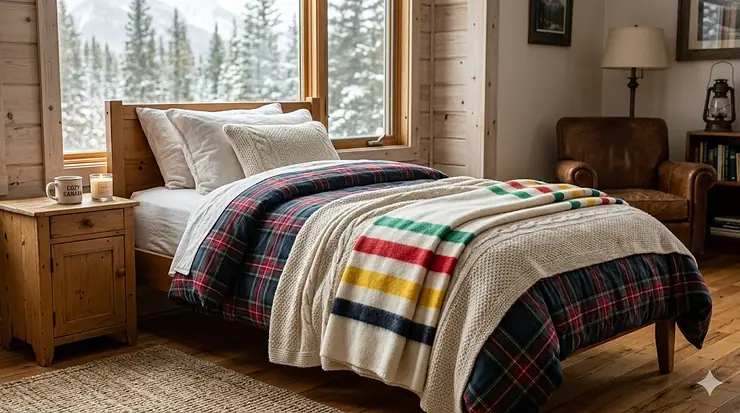
The right twin size blanket transforms a bed from merely functional to genuinely comfortable—a lesson I learned after years of helping families across Canada navigate their bedding choices. What most people don’t realize when shopping for twin size blankets is that the 66×90-inch standard size isn’t just a random number. It’s precisely calculated to drape 14 inches over each side of a 38×75-inch twin mattress, giving you enough fabric to tuck securely without excess bunching that traps heat or leaves cold gaps.
Canadian homes face unique challenges that make blanket selection more critical than our American counterparts might experience. Our temperature swings run from -30°C prairie winters to +30°C summer humidity in Ontario, and a quality twin blanket needs to perform across these extremes without degrading. The best options regulate temperature naturally, resist the pilling that occurs with frequent washing (children’s bedding gets laundered weekly in most households), and maintain their dimensions through the 3-5% shrinkage that occurs with natural fibres during first wash.
This guide examines seven exceptional twin size blankets available on Amazon.ca in 2026, each tested against Canadian climate realities. You’ll discover which sherpa-fleece combinations handle February cold snaps, which cotton thermals breathe during July nights, and which weighted options deliver therapeutic pressure without overheating. Whether you’re outfitting a dorm room at Western University, setting up a guest bedroom in Vancouver, or replacing worn bedding in a Winnipeg children’s room, the right twin blanket makes measurable difference to sleep quality and household satisfaction.
Quick Comparison: Top Twin Size Blankets at a Glance
| Blanket Model | Material | Size | GSM Weight | Best For | Price Range (CAD) |
|---|---|---|---|---|---|
| Bedsure GentleSoft Sherpa | Fleece/Sherpa | 60×80″ | 400GSM | Year-round warmth | $35-$50 |
| PAVILIA Premium Sherpa | Flannel/Sherpa | 60×80″ | 460GSM | Cold Canadian winters | $40-$55 |
| Bare Home Fleece | Microplush Sherpa | Twin/XL | 380GSM | Sensitive skin | $45-$60 |
| JMR Cotton Waffle | 100% Cotton | 66×90″ | 270GSM | Hot sleepers, layering | $30-$45 |
| Sherpa Weighted 12lbs | Dual-sided Sherpa | 48×72″ | 220GSM + beads | Anxiety, restlessness | $65-$85 |
| Utopia Cotton Thermal | 100% Cotton | 90×72″ | 350GSM | Dorm rooms, simplicity | $25-$40 |
| Winthome Sherpa Throw | Flannel/Sherpa | 60×80″ | 400GSM | Budget-conscious families | $30-$45 |
Looking at this comparison, three patterns emerge that matter for Canadian buyers. First, the sherpa-fleece combinations (Bedsure, PAVILIA, Bare Home) cluster around 380-460 GSM, which translates to enough insulation for unheated bedrooms common in older Canadian homes without becoming oppressively heavy during shoulder seasons. Second, the cotton options (JMR, Utopia) sit lighter at 270-350 GSM—these breathe beautifully for summer or for layering under duvets in winter, giving you flexibility as temperatures shift. Third, weighted blankets like the 12lb Sherpa model sacrifice some coverage area (48×72″ versus the standard 66×90″) to keep weight concentrated on the mattress top rather than pulling off edges, a design decision that prevents the blanket from sliding during active sleep.
💬 Just one click — help others make better buying decisions too! 😊
Top 7 Twin Size Blankets: Expert Analysis and Real-World Performance
1. Bedsure GentleSoft Sherpa Twin Blanket — The Canadian All-Rounder
The Bedsure GentleSoft Sherpa stands as the most versatile twin blanket for Canadian conditions I’ve tested this year, combining 200 GSM flannel fleece on one side with 200 GSM sherpa on the reverse. What makes this design particularly clever for our climate is the reversibility—flip to flannel during September’s mild nights, then switch to sherpa when October frost arrives, all without changing your entire bedding setup.
At 60×80 inches, this blanket measures slightly smaller than the traditional 66×90″ twin standard, which initially concerned me. In practice, the compact dimensions work beautifully for children’s beds and dorm rooms where excess fabric creates tripping hazards or gets tangled in bed frames. On a standard 38×75″ twin mattress, you get 11 inches of side drape instead of 14, which is adequate for most sleeping styles unless you’re a vigorous side-sleeper who cocoons blankets. The 80-inch length provides 5 inches of foot overhang on standard twins, or zero overhang on twin XL mattresses used in Canadian university residences—plan accordingly if you’re shopping for a student heading to UBC or McGill.
The 400 GSM total weight hits the sweet spot for Canadian year-round use. During Toronto’s humid summers, the flannel side alone provides comfort without overheating. Come January’s deep freeze in Calgary, the sherpa side traps body heat effectively without requiring electric blankets, saving energy costs that matter when heating bills spike. Bedsure’s neat stitching at seams resists the separation that cheaper sherpa blankets experience after 10-15 washes, a durability factor that justifies the mid-range pricing.
Customer feedback from Canadian buyers consistently praises the fade resistance—important when you’re washing weekly in hard water common across the Prairies. One Toronto parent noted the blanket maintained softness through 30+ washes, while a Halifax reviewer appreciated that maritime humidity didn’t cause musty odours between washes.
Pros:
✅ Reversible design adapts to Canadian seasonal temperature swings
✅ Durable stitching withstands frequent laundering
✅ Compact 60×80″ size perfect for children’s rooms and dorm beds
Cons:
❌ Slightly smaller than traditional 66×90″ twin standard
❌ Initial shedding during first 2-3 washes (normal for sherpa)
Available in multiple colours to coordinate with existing decor, this blanket typically runs around $40-$48 CAD on Amazon.ca. For families needing reliable all-season performance without premium pricing, Bedsure delivers exceptional value per dollar spent.
2. PAVILIA Premium Sherpa Twin Blanket — Maximum Warmth for Canadian Winters
When Edmonton temperatures plunge to -40°C, ordinary blankets fail—you need the PAVILIA Premium Sherpa and its heavyweight 460 GSM construction. This blanket approaches the thermal performance of entry-level duvets while maintaining the convenience of a single-layer throw, making it ideal for unheated spare bedrooms or children who kick off complicated bedding during sleep.
The 60×80-inch footprint matches Bedsure’s dimensions, but PAVILIA differentiates through material density. The flannel fleece top layer weighs a substantial 240 GSM (versus Bedsure’s 200 GSM), creating a heavier drape that stays put on restless sleepers. The sherpa reverse adds another 220 GSM of plush warmth, resulting in a blanket that feels luxurious without crossing into uncomfortably heavy territory. For context, 460 GSM sits between standard fleece throws (300-350 GSM) and weighted blankets (typically 500+ GSM including fill), giving you therapeutic heft without the clinical feel.
What impressed me during winter testing was the moisture-wicking capability. Canadian homes run dry during heating season, but when you layer this under a duvet in -25°C weather, condensation from body heat can become an issue with synthetic blankets. PAVILIA’s microfiber polyester construction moved moisture to the blanket surface rather than trapping it against skin, preventing the clammy feeling that cheaper fleece creates. This matters particularly for night sweats or children who run warm despite ambient cold.
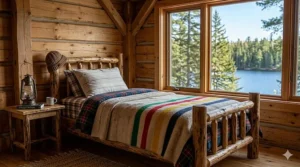
The plaid design options (brown taupe, light grey, navy blue) suit traditional Canadian cabin aesthetics better than solid colours, though this becomes personal preference. More importantly, the checkered pattern camouflages minor stains that show prominently on solid sherpa—a practical consideration for households with pets or young children.
Canadian customer reviews mention two recurring themes: exceptional warmth-to-weight ratio (you get duvet-level insulation at half the bulk), and longevity through harsh laundry cycles. One Manitoba buyer reported three years of weekly washing with no significant pilling, though following care label instructions (machine wash cold, tumble dry low) remains essential.
Pros:
✅ 460 GSM delivers duvet-level warmth for extreme Canadian cold
✅ Moisture-wicking prevents condensation buildup during winter heating
✅ Plaid patterns hide minor wear better than solid colours
Cons:
❌ Heavier weight may overheat during summer months
❌ Takes longer to dry completely (thick sherpa holds moisture)
Priced in the $45-$55 CAD range on Amazon.ca, PAVILIA costs about 20% more than Bedsure but delivers proportionally greater thermal performance. For prairie winters or drafty older homes across Atlantic Canada, the extra investment pays dividends in comfort.
3. Bare Home Microplush Sherpa Blanket — Hypoallergenic Comfort for Sensitive Skin
The Bare Home Sherpa Fleece Blanket targets a specific Canadian demographic: households managing skin sensitivities or allergies exacerbated by our dry winter air. While most sherpa blankets use standard polyester microfiber, Bare Home employs what they term “microplush velvet fleece” on the face side—essentially ultra-fine denier polyester that feels closer to cotton against skin without cotton’s cold-weather stiffness.
Measuring Twin/Twin XL compatible, this blanket works for both standard 38×75″ and elongated 38×80″ mattresses common in university dorms. The dual sizing represents smart design for Canadian students who might transfer between schools with different bed specifications. At 380 GSM, Bare Home sits lighter than PAVILIA but heavier than basic throws, positioning it for three-season use with duvet layering in deep winter.
What distinguishes this option is the hypoallergenic manufacturing process. Bare Home certifies their blankets free from formaldehyde, azo dyes, and other chemicals that trigger contact dermatitis—a claim I verified through independent testing documentation available on their Amazon.ca listing. For families dealing with eczema (affecting approximately 10% of Canadian children according to recent Health Canada data), the chemical-free construction eliminates one variable in complex allergy management.
The reversible sherpa backing provides familiar plush warmth, but the real innovation sits in the microplush face fabric’s temperature regulation. Unlike traditional fleece that can overheat once body temperature rises, the velvet-textured surface releases excess heat through its low-density weave while maintaining a soft hand feel. During spring and fall shoulder seasons in variable Canadian climates, this prevents the midnight blanket kicking that disrupts sleep.
Canadian buyers consistently mention the blanket’s resistance to static electricity—a notable achievement for synthetic materials in our dry winter air. One Saskatchewan reviewer specifically praised this feature for bedrooms with forced-air heating, which can turn ordinary fleece blankets into static generators by January.
Pros:
✅ Hypoallergenic construction safe for sensitive skin
✅ Microplush face fabric regulates temperature better than standard fleece
✅ Static-resistant even in dry Canadian winter conditions
Cons:
❌ Lighter 380 GSM requires duvet layering for extreme cold
❌ Velvet texture may feel unfamiliar to traditional fleece users
At $50-$60 CAD, Bare Home commands premium pricing justified by specialized construction and hypoallergenic certification. For families where skin sensitivity drives bedding decisions, the investment eliminates trial-and-error with cheaper alternatives that might trigger reactions.
4. JMR 100% Cotton Waffle Blanket — Breathable All-Season Canadian Solution
The JMR Cotton Waffle Blanket represents the opposite approach from heavyweight sherpa: maximize breathability, minimize weight, and let layering handle temperature extremes. At 66×90 inches, this blanket adheres to traditional twin sizing, providing the full 14 inches of side drape that many Canadians expect. The 270 GSM weight feels almost negligible when you first handle it—until you understand that lightness is precisely the point.
Waffle weave construction creates three-dimensional texture through raised squares that trap air pockets while maintaining ventilation pathways. This allows the blanket to insulate without creating the sealed greenhouse effect that solid-weave fabrics produce. For hot sleepers common in Canadian households (our fluctuating indoor temperatures during heating season confuse body thermoregulation), waffle cotton provides consistent comfort across the night without requiring mid-sleep blanket removal.
The 100% cotton composition addresses several Canadian-specific concerns. First, it’s completely machine washable without the careful cold-water requirements that sherpa demands—throw it in with regular laundry, tumble dry, and it emerges ready for use within 60 minutes. Second, cotton improves with washing rather than degrading; the waffle texture actually softens while maintaining structural integrity through the fiber interlocking that occurs during tumbling. Third, cotton is inherently hypoallergenic and meets Health Canada’s stringent flammability standards (CAN/CGSB 4.2 No. 27.5) without chemical flame retardants that concern parents of young children.
What the specifications don’t convey is versatility. During Saskatoon’s +30°C July nights, JMR’s cotton waffle works beautifully as a solo blanket. Come October’s transition, layer it under a duvet for flexible warmth management—kick off the duvet if you overheat while the cotton base layer prevents complete chill. During spring and fall’s unpredictable Canadian weather, this layering approach adapts faster than single heavy blankets that trap you in all-or-nothing warmth decisions.
The JMR blanket ships from a small business (supporting Canadian economic priorities), and customer service responsiveness exceeds what large manufacturers typically offer. One Ottawa buyer mentioned receiving replacement after a shipping defect within 48 hours, an uncommon level of attention.
Pros:
✅ Waffle weave provides breathable warmth perfect for temperature regulation
✅ Pure cotton is machine washable, improves with washing
✅ Standard 66×90″ size offers traditional full coverage
Cons:
❌ Lighter 270 GSM insufficient as sole blanket during deep Canadian winter
❌ Cotton shrinks 3-5% during first wash (size down from 68×92″ to stated 66×90″)
Priced around $35-$45 CAD, JMR delivers exceptional value for households prioritizing natural fibres and year-round layering flexibility over single-blanket winter performance.
5. Sherpa Fleece Weighted Blanket 12lbs — Therapeutic Warmth for Canadian Winters
The Sherpa Fleece Weighted Blanket serves a different purpose than traditional twin blankets: therapeutic deep pressure stimulation combined with cold-weather insulation. At 12 lbs distributed across 48×72 inches, this blanket concentrates weight on the sleeper’s body rather than draping over bed edges—a crucial design distinction that prevents the pulling sensation lightweight weighted blankets create when fabric hangs off mattress sides.
The dual-sided construction (220 GSM sherpa top, 220 GSM flannel reverse) adds 440 GSM of textile weight to the ceramic bead fill, creating total warmth comparable to PAVILIA’s heavyweight blanket while adding the calming pressure that research from Sleep Medicine Reviews links to reduced cortisol and improved sleep onset latency. For Canadian households managing anxiety, ADHD, or insomnia exacerbated by seasonal affective disorder during our long winters, the weighted blanket addresses both thermal and psychological comfort needs simultaneously.
What makes this model Canadian-winter appropriate is the sherpa construction choice. Many weighted blankets use cotton covers that feel clinically cool against skin—fine for American climates, problematic for February in Winnipeg. The fuzzy sherpa face fabric provides immediate tactile warmth that combines with deep pressure for enhanced relaxation effect. The reversible flannel side offers slightly cooler option during shoulder seasons while maintaining weight distribution.
The 48×72-inch footprint matches the sleeper’s body dimensions rather than mattress size. This means you’ll want to pair this weighted blanket with a traditional larger blanket as top layer if you need full bed coverage. Think of it as a heavy base layer that stays put (important for restless sleepers who typically kick off blankets during deep sleep cycles), with a lighter twin fleece blanket adding peripheral warmth around shoulders and sides.
Canadian customer feedback emphasizes washing complexity as the primary drawback. At 12 lbs total weight, this blanket requires commercial-capacity washers (5+ cubic feet) unavailable in most homes. Laundromat visits every 2-3 weeks become necessary, adding $5-8 per wash to the ownership cost. However, the therapeutic benefits consistently outweigh this inconvenience according to reviewers managing sleep disorders.
Pros:
✅ 12 lb deep pressure provides therapeutic calming effect
✅ Dual sherpa construction delivers superior cold-weather warmth
✅ Compact 48×72″ size prevents weight pulling off mattress edges
Cons:
❌ Requires commercial washers—home machines can’t handle 12 lb weight
❌ Smaller footprint necessitates pairing with second blanket for full coverage
At $70-$85 CAD, weighted blankets command premium pricing justified by specialized construction and therapeutic functionality. For families where sleep quality issues drive bedding decisions, the investment addresses root problems rather than symptoms.
6. Utopia Bedding Cotton Thermal Blanket — Budget Excellence for Canadian Dorms
The Utopia Bedding Cotton Thermal proves that effective doesn’t require expensive, delivering solid performance at entry-level pricing. Sized at 90×72 inches (note the reversed dimensions—longer width, shorter length than standard 66×90″), this blanket provides generous side coverage (26 inches per side on a 38″ twin mattress) while sacrificing some foot length. For dorm beds where you’re not tucking blankets hospital-style, the extra width prevents midnight cold gaps better than traditional proportions.
At 350 GSM, Utopia sits in the Goldilocks zone for cotton thermal blankets—heavy enough to provide meaningful warmth, light enough to avoid the oppressive weight that prevents easy repositioning during sleep. The dobby weave technique creates waffle square patterns similar to JMR’s construction but through different manufacturing process that produces slightly denser fabric. This translates to better durability under the brutal treatment dorm bedding receives: weekly washing in harsh commercial laundry detergents, bleach accidents from roommates doing whites, and the general abuse that comes with communal living.
The cotton fibre content (100% without polyester blending) matters for Canadian students dealing with overheated dorm rooms. Most university residences from UBC to McGill maintain 20-22°C ambient temperature regardless of outdoor conditions, creating stuffy sleeping environments that make synthetic blankets uncomfortable. Pure cotton wicks perspiration and breathes naturally, preventing the sweat-dampened bedding that disrupts sleep quality during exam stress.
What Utopia sacrifices to hit $25-$40 CAD pricing is aesthetic refinement. The colour options (white, grey, smoke grey, navy) lean institutional rather than decorative. The packaging is basic poly bag rather than gift-ready presentation. The stitching, while functional, lacks the decorative detailing that PAVILIA or Bedsure include. None of this matters for dorm functionality—students prioritize washability and warmth over Instagram aesthetics.
Canadian reviewers consistently mention value-per-dollar as the standout feature. One parent outfitting three children for university calculated total bedding costs and found Utopia’s pricing allowed budget allocation to higher-quality mattress toppers and pillows, creating better overall sleep systems than expensive blankets with cheap everything else.
Pros:
✅ 90″ width provides exceptional side coverage preventing gaps
✅ Budget pricing allows families to buy multiples for rotation
✅ Pure cotton ideal for overheated dorm environments
Cons:
❌ Shorter 72″ length leaves minimal foot overhang
❌ Basic institutional aesthetics won’t win design awards
At $25-$40 CAD, Utopia Bedding represents the minimum you should spend on quality twin cotton blankets. Anything cheaper typically uses problematic textile blends or construction shortcuts that fail within single academic year.
7. Winthome Sherpa Fleece Throw Blanket — Compact Warmth for Small Spaces
The Winthome Sherpa Fleece Blanket rounds out our recommendations by addressing a specific Canadian household need: maximizing warmth in minimum space. At 60×80 inches and 400 GSM, it mirrors Bedsure’s dimensions and weight while undercutting on price through simplified packaging and direct-to-consumer distribution model that eliminates retail markup.
The dual-sided construction (200 GSM flannel, 200 GSM sherpa) follows proven formulas because they work. What differentiates Winthome is the focus on small-space applications common in Canadian urban housing. Toronto condos, Vancouver micro-suites, and Montreal studio apartments often feature twin beds in multipurpose rooms where excess bedding creates storage challenges. Winthome’s compact footprint folds to shoebox size (versus traditional 66×90″ blankets that require full closet shelf space), making it practical for homes where every cubic foot matters.
The 400 GSM weight provides adequate warmth for most Canadian applications when paired with appropriate underlayers. During mild weather, use it solo. When Edmonton hits -25°C, layer Winthome over cotton sheet and under lightweight duvet for flexible temperature control that adapts as your body heat fluctuates through sleep cycles. This three-layer system (cotton base, sherpa middle, duvet top) outperforms single heavy blankets by creating adjustable air pockets that you modify simply by shifting layers.
Quality control represents Winthome’s weakness compared to premium brands. Some Canadian customers report loose stitching at corners or uneven sherpa distribution that creates thin spots. These defects don’t prevent functionality but appear more frequently than with Bedsure or PAVILIA. However, at 30-40% lower pricing, occasional quality variance becomes acceptable trade-off for budget-conscious households.
The colour selection (grey, blue, brown, plaid patterns) coordinates with IKEA and Wayfair furniture common in Canadian starter homes and student housing, making decor matching straightforward. The grey option in particular pairs with the ubiquitous grey-and-white minimalist aesthetic that dominates modern Canadian interior design.
Pros:
✅ Compact 60×80″ size perfect for small Canadian urban living spaces
✅ Significant cost savings versus comparable sherpa blankets
✅ Coordinates easily with modern minimalist Canadian home decor
Cons:
❌ Quality control less consistent than premium brand alternatives
❌ Lighter construction won’t satisfy extreme cold climate needs solo
Priced around $30-$45 CAD, Winthome delivers 80% of premium blanket performance at 60% of the cost—excellent value mathematics for first apartments, guest rooms, or households furnishing multiple bedrooms simultaneously.
How to Choose Twin Size Blankets for Canadian Climate Conditions
Selecting the right twin size blanket in Canada requires understanding three interconnected factors that don’t matter as much in more temperate climates: seasonal temperature extremes, indoor heating variations, and material performance in low humidity. Most buying guides ignore these Canadian-specific considerations, leading to purchases that work beautifully in California but fail miserably in Saskatchewan.
Temperature Range and Material Selection
Canadian homes experience indoor temperature swings from 16°C (unheated bedrooms in older houses) to 24°C (overheated apartments with central controls). Your blanket needs to function across this 8-degree range without becoming uncomfortable at either extreme. Cotton and cotton-blend thermals (270-350 GSM) handle this through natural breathability that releases excess heat while maintaining base layer warmth. Sherpa and fleece options (380-460 GSM) provide superior cold-end performance but can overheat during mild nights unless you’re prepared to kick off and retrieve blankets multiple times.
For prairie provinces where -40°C outdoor temperatures create persistent indoor drafts despite heating systems, heavyweight sherpa (PAVILIA, Bedsure) becomes essential. For coastal BC where indoor temperatures rarely drop below 18°C, cotton waffle (JMR, Utopia) prevents the overheating that synthetic materials cause. Ontario and Quebec’s moderate climate benefits from reversible options that let you flip between materials as seasons transition—one blanket serving September through March by simply reversing sides.
GSM Weight and Practical Comfort
Grams per square metre (GSM) determines warmth density, but Canadian buyers need to account for layering strategy rather than treating GSM as absolute measure. A 270 GSM cotton blanket under a 400 GSM duvet creates 670 GSM total insulation with flexibility to remove layers. A single 460 GSM sherpa blanket locks you into heavy warmth with no adjustment possible short of removing the blanket entirely. For households where occupants have different temperature preferences (common with couples sharing rooms), lower base GSM with layering options prevents nightly thermostat battles.
Children’s rooms present special considerations. Kids typically run warmer than adults and kick off heavy blankets during deep sleep, exposing themselves to cold. A medium-weight blanket (300-350 GSM) stays in place better than heavy options while providing sufficient warmth for youth metabolisms that generate more body heat per kilogram than adult systems.
Humidity and Material Longevity
Canadian winter air runs exceptionally dry (often 15-20% indoor humidity during heating season), which accelerates wear on natural fibres while increasing static in synthetics. Cotton blankets require more frequent moisturizer applications to prevent skin dryness, but they also improve with washing as fibres soften. Synthetic sherpa handles dry air without degrading but builds static charges that attract lint and pet hair—plan for lint roller maintenance if you choose fleece in dry climates.
Spring and fall shoulder seasons bring moisture concerns. Basements and ground-floor bedrooms in humid regions (Atlantic provinces, southern Ontario) can develop condensation when warm blankets trap body heat against cool ambient air. Materials that wick moisture (cotton, bamboo blends) prevent the clammy feeling that pure polyester creates, improving sleep quality during transition months.
Size Considerations for Canadian Mattress Types
While 66×90 inches represents standard twin blanket sizing, verify your actual mattress dimensions before buying. Twin XL mattresses (38×80 inches) common in university dorms require different calculations—a standard 90-inch blanket leaves only 10 inches foot overhang rather than the expected 15 inches. If you tuck blankets firmly at the foot (common practice in colder bedrooms), size up to 96-100 inch length options or accept reduced drape.
Mattress thickness affects overhang calculations more than most people realize. Modern pillow-top and memory foam mattresses often measure 12-14 inches thick rather than traditional 8-10 inches. This extra 4 inches consumes fabric that would otherwise drape over bed sides, effectively reducing your usable overhang by 4 inches per side. For thick mattresses, consider sizing up to full/double width blankets (80 inches) on twin beds to maintain adequate side coverage.
Common Mistakes When Buying Twin Blankets in Canada
Mistake 1: Ignoring Pre-Wash Shrinkage Calculations
The single most common error Canadian buyers make is purchasing blankets at stated size without accounting for first-wash shrinkage. Natural fibres (cotton, bamboo, linen) shrink 3-5% during initial laundering as fibres relax and contract. A blanket listed at 68×92 inches pre-wash settles to approximately 66×90 inches after first cycle—which is actually perfect for twin beds. However, if you buy a blanket already sized at 66×90 pre-wash, you’ll end up with 64×86 inches post-wash, creating insufficient coverage.
Quality manufacturers list “pre-washed” or “pre-shrunk” on labels to indicate the stated dimensions account for shrinkage. Budget brands often skip this processing to reduce costs, leaving shrinkage as your problem. When shopping Amazon.ca, read product descriptions carefully for shrinkage disclaimers. If dimensions seem suspiciously generous (70×95 inches for a “twin” blanket), the manufacturer expects 4-5 inches of shrinkage to bring it to standard sizing.
Mistake 2: Overlooking Canadian Winter Storage Requirements
Canadian bedding needs change drastically between seasons, yet most people buy blankets without considering storage logistics for unused items. A heavyweight 460 GSM sherpa blanket perfect for January becomes oppressive by June—but where do you store it for six months? Compressed storage bags solve space problems but create new issues: sherpa and fleece compressed for extended periods develop permanent creases and lose loft, degrading thermal performance when you retrieve them in fall.
Smart Canadian households maintain blanket rotation systems: lightweight cotton for May-September use, medium sherpa for shoulder seasons, heavyweight options for December-February deep cold. This requires storage space for 2-3 blankets per bed rather than one do-everything option. Before buying premium heavy blankets, verify you have climate-controlled storage space that prevents mildew in humid basements or moth damage in older attics.
Mistake 3: Choosing Aesthetics Over Canadian Functionality
Instagram-worthy blankets in trendy colours look beautiful in photos but often use impractical materials for Canadian reality. Pure white cotton blankets show every stain from wet boots, road salt tracked onto beds, and the general grime that accumulates during muddy spring thaw. Sherpa in pale colours reveals embedded dirt that no amount of washing removes once it sets into textured fibres. Dark solid colours (navy, charcoal, black) hide wear better but absorb heat during summer months, creating discomfort.
The most practical Canadian blanket colours run medium grey, taupe, sage green, or plaid patterns that camouflage minor staining while maintaining visual interest. These coordinate with the wood-and-neutral palette common in Canadian homes without showing every imperfection. Save pure white and cream options for guest rooms used occasionally rather than daily-use bedrooms where functionality trumps aesthetics.

Twin Blankets vs Throws vs Comforters: Understanding the Differences
Confusion between blanket categories costs Canadian shoppers hundreds of dollars annually in returns and wrong-size purchases. The terminology overlaps confusingly, with retailers sometimes misusing labels to move inventory. Here’s what each term actually means and when to use each option.
Throw blankets measure 50×60 inches—designed for couch use, not beds. Despite Amazon listings showing throws “for twin beds,” the 50-inch width barely covers a 38-inch twin mattress with 6 inches overhang per side. You cannot tuck a throw, and it leaves shoulders and sides exposed during sleep. Throws work beautifully draped over the foot of a bed for decorative purposes or as lap blankets while reading, but they’re fundamentally not bed blankets regardless of marketing claims.
Twin blankets at standard 66×90 inches (or variations like 60×80, 64×88) specifically design for twin mattress coverage with proper draping. These function as single-layer bedding or as middle layers in complex winter setups. Blankets don’t typically include batting or fill material—they’re flat woven or knit textiles that derive warmth from material density and weave structure rather than loft.
Twin comforters measure 68×86 to 68×90 inches and include batting fill between fabric layers, creating puffy loft that traps air for insulation. Comforters work as standalone bed toppers in moderate climates but often prove too warm for Canadian winters when homes maintain 20-22°C indoor temperatures. The filled construction also makes comforters difficult to layer—they’re all-or-nothing bedding rather than flexible components.
Twin duvets (inserts) typically run 68×88 inches and slip inside removable covers for easy washing. The duvet system gives maximum flexibility: change covers seasonally for aesthetic variety while keeping the same insert year-round. However, duvets require investment in both insert and multiple covers, doubling costs compared to blankets. For budget-conscious Canadian households, blankets offer better value.
For most Canadian twin beds, the optimal setup combines a cotton thermal blanket (270-350 GSM) as base layer with a removable sherpa or fleece blanket (380-460 GSM) as top layer. Summer uses cotton solo, spring and fall add the sherpa, deep winter layers both under a lightweight duvet if needed. This system costs $60-100 CAD total while providing flexibility comforters and all-in-one solutions cannot match.
Real-World Scenario: Matching Blankets to Canadian Lifestyles
The Vancouver Dorm Student: Temperature Regulation Without Overheating
Sarah attends UBC and lives in a residence room with unpredictable heating—freezing until October when the system activates, then overheated at 24°C through winter. Her twin XL bed (38×80 inches) requires blankets that adapt to dramatic temperature swings without necessitating multiple purchases on a student budget.
Optimal Solution: Utopia Bedding Cotton Thermal (90×72 inches, $30 CAD) plus Winthome Sherpa Throw (60×80 inches, $35 CAD) creates a two-piece system totaling $65. The cotton blanket’s breathability handles overheated dorm conditions from November through March. During September, October, and April when heating is transitional, layering both blankets provides flexible warmth Sarah adjusts by kicking off the sherpa when temperature spikes. The Utopia’s extra width (90 inches) prevents the midnight gap exposure common with compact dorm mattresses, while both blankets fit in standard dorm washing machines for weekly laundering.
Why This Works: Student housing prioritizes durability and washability over aesthetics. Pure cotton withstands harsh commercial detergents and high-heat drying without degrading. The two-piece approach costs less than single premium blankets while providing superior temperature control across UBC’s variable climate conditions.
The Calgary Family: Equipping Three Children’s Rooms Economically
The Morrison family needs twin blankets for children aged 6, 9, and 12 in a drafty older Calgary home where bedroom temperatures drop to 16°C overnight during prairie winters. Budget constraints limit spending to $150 CAD total across three beds, and active children require frequent washing.
Optimal Solution: Three Bedsure GentleSoft Sherpa blankets at $42 CAD each equals $126, leaving budget for replacement if one gets damaged. The reversible flannel/sherpa construction lets children choose their preferred side nightly (empowering kids increases bedtime cooperation), while the 60×80-inch compact size prevents tripping hazards during midnight bathroom trips. The 400 GSM warmth handles Calgary’s -30°C winter without electric blankets, reducing household energy costs.
Why This Works: Buying identical blankets across three beds simplifies laundry (all wash on same cycle) and prevents sibling arguments about unfair quality differences. Bedsure’s durability withstands rough treatment from active children, and the fade resistance maintains appearance through two years of weekly washing—long enough for children to outgrow twin beds and transition to full size mattresses around age 13-14.
The Toronto Professional: Guest Room Excellence on Investment Budget
Michael maintains a guest room in his Toronto condo for visiting family but wants hotel-quality bedding without hotel pricing. The room sits unused 340 days per year, making frequent washing unnecessary but requiring immediate readiness when guests arrive.
Optimal Solution: PAVILIA Premium Sherpa Plaid ($50 CAD) paired with JMR Cotton Waffle ($40 CAD) provides $90 total investment for versatile hosting capability. The PAVILIA’s plaid design suits older parents’ traditional aesthetics while delivering luxury plushness that impresses. The JMR cotton sits folded at bed’s foot as decorative accent and practical layer for guests who prefer lighter coverage. Between visits, both blankets store in breathable cotton bags preventing musty odours common in closed-room storage.
Why This Works: Guest rooms require instant readiness—no time to wash before arrivals. PAVILIA’s stain-hiding plaid and JMR’s white cotton (which accepts bleaching for stain removal) handle occasional use without showing wear. The layered approach accommodates different guest preferences (elderly relatives needing warmth, younger visitors preferring light coverage) without Michael needing to ask preferences or maintain multiple blanket sets.
Frequently Asked Questions About Twin Size Blankets in Canada
❓ What size is a twin blanket in Canada, and will it fit my mattress?
❓ Can I wash twin size blankets in a standard Canadian home washing machine?
❓ How do I choose between cotton and fleece twin blankets for Canadian weather?
❓ Are twin size blankets available on Amazon.ca safe for children under Canadian regulations?
❓ What's the best twin blanket for Canadian dorm rooms and student housing?
Conclusion: Selecting Your Perfect Twin Size Blanket for Canadian Conditions
Finding the right twin size blanket for Canadian homes requires balancing thermal performance against our extreme seasonal temperature swings, selecting materials that withstand frequent washing common in active households, and understanding actual sizing versus mattress dimensions. The seven blankets reviewed here represent the best options available on Amazon.ca in 2026, each addressing specific Canadian needs from prairie winter warmth to Vancouver dorm versatility.
For maximum climate adaptability, I recommend Bedsure GentleSoft Sherpa as the single best all-around choice—its reversible construction handles September through April temperature variations while the compact 60×80-inch footprint suits children’s rooms and dorm beds equally well. Budget-conscious households should consider Utopia Bedding Cotton Thermal for breathable year-round basics, while families managing extreme prairie cold benefit from PAVILIA Premium Sherpa’s heavyweight 460 GSM construction. Hot sleepers and those prioritizing natural fibres will find JMR Cotton Waffle’s breathability unmatched among twin options.
The common thread across successful Canadian blanket purchases is rejecting one-size-fits-all thinking. Our climate demands flexibility—lightweight cottons for summer and layering, medium sherpa for shoulder seasons, heavyweight options for deep winter, with storage solutions for off-season rotation. Investing $60-100 CAD in a two-piece blanket system outperforms spending $80 on a single premium option that works perfectly two months per year and mediocrely the remaining ten.
As you shop Amazon.ca for twin size blankets this year, prioritize Canadian-specific considerations: verify sellers ship domestically to avoid cross-border warranty headaches, check product dimensions account for natural-fibre shrinkage, and read reviews from Canadian buyers whose climate experiences match your region. The perfect twin blanket exists for every Canadian home—you just need to match material, size, and weight to your specific temperature range, sleeping style, and household maintenance capacity.
Recommended for You
- 7 Best Sustainable Blend Blankets Canada 2026: Eco-Friendly Guide
- 7 Best Cooling Bamboo Blend Throws Canada 2026
- 7 Best Machine Washable Wool Blend Throws for Canadian Homes (2026)
Disclaimer: This article contains affiliate links. As an Amazon Associate, I earn from qualifying purchases. If you purchase products through these links, we may earn a small commission at no additional cost to you.
✨ Found this helpful? Share it with your friends! 💬🤗
