
In This Article
Picture this: it’s 2 AM on a sweltering July night in Toronto, and you’ve kicked off your heavy comforter for the third time. You’re trapped in that frustrating limbo—too hot under the covers, too exposed without them. Sound familiar? You’re not alone.

Canadian summers can be surprisingly intense, especially with increasingly unpredictable heat waves across provinces from British Columbia to Ontario. Whether you’re dealing with humid nights in Montreal or dry heat in Calgary, lightweight summer blankets have become essential for comfortable sleep. These breathable layers provide just enough coverage to satisfy our instinct to nestle under something cozy, without the suffocating warmth of traditional bedding.
But here’s the thing: not all summer blankets are created equal. The difference between a restless, sweaty night and blissful, cool sleep often comes down to choosing the right fabric, weight, and construction. That’s exactly what this guide is here to help you navigate—finding the perfect lightweight summer blankets available on Amazon.ca that’ll transform your summer nights.
Quick Comparison Table
| Product | Material | Size | Price (CAD) | Best For | Rating |
|---|---|---|---|---|---|
| AmyHomie Cooling Waffle | 100% Bamboo Rayon | Queen (90″×90″) | $45-65 | Hot sleepers | 4.5/5 |
| Elegear Arc-Chill Cooling | Cooling Fiber/Nylon | Queen (79″×86″) | $55-75 | Night sweats | 4.6/5 |
| Luxear Breathable Summer | Q-MAX Cooling Fiber | Queen (79″×86″) | $50-70 | Hot climates | 4.5/5 |
| Syalife Japanese Cooling | Arc-Chill Technology | Queen (90″×90″) | $60-80 | AC sleepers | 4.4/5 |
| Utopia Cotton Waffle | 100% Cotton | Queen (90″×90″) | $35-55 | Natural fabrics | 4.3/5 |
| Comfy Cubs Muslin | 6-Layer Cotton | Queen (229×229 cm) | $40-60 | All seasons | 4.4/5 |
| Everlasting Comfort Dual | Performance Blend | 60″×80″ | $45-65 | Versatility | 4.5/5 |
💬 Just one click – help others make better buying decisions too!😊
Top 7 Lightweight Summer Blankets: Expert Analysis
1. AmyHomie Cooling Waffle Blanket – Best Bamboo Option
If you’re seeking the ultimate combination of cooling power and natural luxury, this bamboo-derived blanket deserves serious consideration. The waffle weave design isn’t just aesthetically pleasing—those textured pockets create air channels that dramatically improve breathability.
Key Specifications:
- 100% rayon derived from bamboo
- Waffle weave construction
- Queen size: 90×90 inches
- Machine washable (cold water recommended)
Price Range: CAD $45-$65 on Amazon.ca
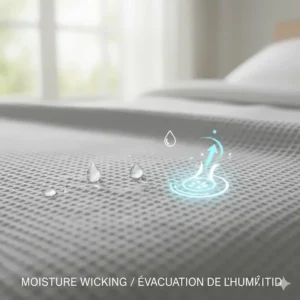
Canadian buyers consistently praise this blanket’s moisture-wicking abilities, particularly appreciated during humid Ontario and Quebec summers. The bamboo fabric naturally absorbs up to 40% more moisture than cotton, keeping you dry throughout the night. One Vancouver customer mentioned that even during the 2025 heat dome, this blanket kept them comfortable with minimal AC use—a win for both comfort and hydro bills!
✅ Pros:
- Exceptional moisture-wicking performance
- Naturally hypoallergenic and antimicrobial
- Becomes softer with each wash
- Eco-friendly bamboo sourcing
❌ Cons:
- Requires cold water washing only
- May shrink if tumble-dried at high temperatures
Customer Feedback: Multiple Canadian reviewers note the blanket’s “hotel quality” feel and appreciate that it ships quickly from Canadian warehouses, avoiding duty fees and long shipping times.
2. Elegear Arc-Chill Cooling Blanket – Most Advanced Cooling Technology
For Canadians who really struggle with night sweats or hot flashes, this technologically advanced blanket employs Japanese Arc-Chill cooling fibres that actively transfer heat away from your body. Think of it as air conditioning you can wrap yourself in.
Key Specifications:
- Q-MAX >0.5 cooling fiber technology
- Double-sided design (cool side + soft side)
- Queen size: 79×86 inches
- Lightweight construction (under 3 lbs)
Price Range: CAD $55-$75 on Amazon.ca
The Arc-Chill technology uses micro-particles that have exceptional thermal conductivity, essentially pulling heat away from your skin and dispersing it across the fabric surface. Canadian customers in prairie provinces particularly appreciate the double-sided design—the cooling side for peak summer heat, and the softer cotton-blend side for cooler September nights.
✅ Pros:
- Scientifically proven cooling technology (Q-MAX rating >0.5)
- Reversible for extended seasonal use
- Lightweight enough for travel
- Fast-drying after washing
❌ Cons:
- Cool-to-touch sensation might feel unusual initially
- Premium price point compared to basic cotton
Customer Feedback: A Calgary customer mentioned reducing their AC usage by 2-3 degrees Celsius while staying comfortable, translating to noticeable savings on summer energy bills.
3. Luxear Breathable Summer Blanket – Best Value for Money
Sometimes you don’t need all the bells and whistles—you just need something that works without breaking the bank. That’s where this Luxear blanket shines, offering impressive cooling performance at a mid-range price point that fits most Canadian budgets.
Key Specifications:
- Japanese cool-to-touch cooling fibers
- Q-MAX 0.42 rating
- Queen size: 79×86 inches
- 3D mesh structure for airflow
Price Range: CAD $50-$70 on Amazon.ca
What sets this apart is the 3D mesh layer construction. While it looks like a standard flat blanket, the internal structure creates tiny air channels that allow heat and moisture to escape continuously. Canadian buyers appreciate the balance between performance and affordability—you’re getting 80% of the cooling power of premium brands at 60% of the cost.
✅ Pros:
- Excellent price-to-performance ratio
- Silky smooth texture
- Ships free with Amazon Prime across Canada
- Available in multiple colours
❌ Cons:
- Not as durable as pure bamboo options
- May develop some pilling after frequent washing
Customer Feedback: Multiple Ontario customers note this is their “gateway cooling blanket”—perfect for first-time buyers who want to test the technology without major investment.
4. Syalife Japanese Cooling Blanket – Best for Air-Conditioned Rooms
Here’s an interesting consideration: what if you already use AC but still want some coverage? This Syalife blanket is specifically engineered for that scenario—it won’t make you feel cold, but it prevents that stuffy, overheated feeling traditional blankets create even in cooled rooms.
Key Specifications:
- Japanese Arc-Chill cooling fiber
- Double-sided mica nylon/polyester
- Queen size: 90×90 inches
- Ultra-lightweight (perfect for layering)
Price Range: CAD $60-$80 on Amazon.ca
The secret lies in the mica nylon construction on the reverse side, which provides a different tactile experience than traditional fabrics. Canadian customers in condos and apartments with central AC find this particularly useful—the blanket provides enough warmth to feel cozy without causing temperature regulation issues when the AC kicks on.
✅ Pros:
- Ideal for variable temperature environments
- Maintains skin moisture and elasticity
- Pink and blue colour options
- Doesn’t trap heat like traditional blankets
❌ Cons:
- Cooling effect may be subtle for severe hot sleepers
- Higher price point
Customer Feedback: A Montreal reviewer mentioned this solved their “AC blanket dilemma”—comfortable whether the AC is running or off during cooler evenings.
5. Utopia Bedding Cotton Waffle Blanket – Best Natural Fabric Option
For purists who prefer natural materials without synthetic cooling technologies, this 100% cotton waffle blanket delivers breathability through traditional textile craftsmanship. Sometimes the old ways work best.
Key Specifications:
- 100% pure cotton
- Classic waffle weave pattern
- Queen size: 90×90 inches (229×229 cm)
- Available in multiple neutral colours
Price Range: CAD $35-$55 on Amazon.ca
Cotton’s natural fibres create a porous structure that allows excellent air circulation while absorbing perspiration efficiently. The waffle weave adds dimension, creating air pockets that prevent the clammy feeling cotton sometimes develops. Canadian buyers with sensitive skin or chemical sensitivities consistently choose this option—no synthetic treatments, just honest cotton fabric.
✅ Pros:
- 100% natural fibers (no synthetics)
- Budget-friendly pricing
- Charcoal grey colour hides stains well
- Gets softer with each wash cycle
❌ Cons:
- Dries more slowly than synthetic options
- Less advanced cooling compared to tech fabrics
- May wrinkle easily
Customer Feedback: Saskatchewan customers appreciate its durability through multiple wash cycles, with several reporting 2+ years of regular use without deterioration.
6. Comfy Cubs Muslin Blanket – Best All-Season Versatility
If you’re looking for one blanket that transitions seamlessly from summer to fall, this 6-layer muslin construction offers remarkable adaptability. It’s lightweight enough for July heat waves but substantial enough for cooler September evenings.
Key Specifications:
- 6-layered muslin cotton fabric
- Queen size: 229×229 cm
- Machine washable and durable
- Available in Wine and other colours
Price Range: CAD $40-$60 on Amazon.ca
The genius lies in the layered muslin construction. Unlike single-layer blankets, the six gauze-like layers create insulating air pockets that can either release or retain heat depending on ambient temperature. Canadian customers across different climate zones—from coastal BC to the Maritimes—report satisfaction with this design, making it arguably the most versatile option for our varied weather patterns.
✅ Pros:
- True all-season functionality
- Generous 229cm size (larger than standard Queen)
- Soft, lived-in feel from first use
- Withstands frequent washing without quality loss
❌ Cons:
- Slightly heavier than ultra-lightweight options
- Limited colour selection
Customer Feedback: A Nova Scotia buyer mentioned using this year-round, simply adjusting their duvet underneath for winter—a testament to its temperature versatility.
7. Everlasting Comfort Dual-Sided Blanket – Most Innovative Design
Rounding out our list is this cleverly engineered dual-sided blanket that literally gives you two products in one. One side features cooling technology for hot nights, while the reverse offers a softer, slightly warmer texture for unpredictable Canadian weather.
Key Specifications:
- Dual-sided design (cooling + soft sides)
- Throw size: 60″×80″
- Premium materials with Transparency verification
- Machine washable (air dry recommended)
Price Range: CAD $45-$65 on Amazon.ca
What’s particularly smart about this design is how it addresses Canada’s temperature volatility. We’ve all experienced those weeks where it’s 28°C one day and 15°C the next. Rather than swapping blankets constantly, you simply flip this one over. The throw size also makes it perfect for couch use, camping trips, or cottage weekends.
✅ Pros:
- Two blankets in one package
- Throw size perfect for travel
- Verified authenticity through Transparency codes
- Luxurious silky smooth edges
❌ Cons:
- Smaller than Queen size (not ideal for bed use)
- Requires air drying only
- Limited to neutral colours
Customer Feedback: Alberta campers particularly appreciate this for summer camping trips—the throw size packs easily, and the dual sides handle temperature swings around campfires and cooler mountain nights.
✨ Take Your Summer Comfort to the Next Level
🔍 Ready to transform your summer sleep experience? These lightweight summer blankets are available now on Amazon.ca with fast Canadian shipping. Click on any highlighted product above to check current pricing, read additional customer reviews, and take advantage of Prime delivery across all provinces. Whether you’re in Vancouver or Halifax, the perfect cooling blanket is just a click away!
Understanding Breathable Fabric Types for Summer Blankets
Not all fabrics are created equal when temperatures rise. Let me break down the science behind what makes certain materials perfect for lightweight summer blankets, and why this knowledge matters for Canadian buyers.
Natural vs Synthetic: The Great Debate
Cotton remains the gold standard for breathability. According to Wikipedia’s textile guide, cotton’s natural cellulose fibres create a porous structure that allows air to circulate freely while absorbing moisture. Cotton can absorb up to 27% of its weight in water before feeling damp to the touch. For summer blankets, look for varieties with 200-400 thread count—this range provides optimal airflow without sacrificing durability.
Linen, made from flax plant fibres, actually outperforms cotton in hot weather. The hollow flax fibres allow heat and moisture to escape more efficiently than any other natural fabric. It’s why Europeans have relied on linen bedding for centuries. The downside? Linen wrinkles easily and typically costs more, which is why you’ll see fewer linen options on Amazon.ca compared to cotton.
Bamboo-derived rayon has exploded in popularity, and for good reason. The manufacturing process creates fibres with micro-gaps and micro-holes that enhance breathability beyond cotton. According to Wikipedia’s comprehensive bamboo textile guide, bamboo rayon is 40% more absorbent than even fine cotton, making it exceptional for Canadian summers where humidity can spike unexpectedly. Most bamboo fabric on the market is actually viscose rayon made by dissolving bamboo cellulose—a process that creates silky-smooth fibres perfect for summer bedding.
Advanced Cooling Technologies
Modern textile science has introduced synthetic options that actively work to cool you down:
Arc-Chill Technology uses jade and graphene particles woven into the fabric. These minerals have exceptional thermal conductivity—they literally pull heat away from your skin and disperse it across the blanket’s surface. The Q-MAX rating (typically 0.4-0.5 for quality products) measures this heat transfer ability.
Phase-Change Materials (less common in budget options) contain microcapsules that absorb or release heat to maintain consistent temperature. Think of them as tiny temperature regulators throughout the fabric.
The Canadian climate presents unique challenges. Our summers vary dramatically from the dry heat of the prairies to coastal humidity. Understanding these fabric differences helps you choose appropriately—bamboo for humid eastern provinces, lighter cotton or tech fabrics for drier western regions.
Quick Fabric Comparison for Canadian Climates
| Fabric Type | Best For | Breathability | Moisture-Wicking | Durability | Price Range |
|---|---|---|---|---|---|
| Cotton | All climates | Excellent | Good | Very Good | $35-$55 |
| Bamboo Rayon | Humid regions | Excellent | Outstanding | Good | $45-$65 |
| Linen | Hot, dry climates | Superior | Excellent | Excellent | $60-$90 |
| Cooling Tech Fabrics | Extreme heat | Very Good | Superior | Good | $55-$80 |
| Cotton Blends | Moderate climates | Good | Good | Excellent | $35-$50 |
Thread Count vs Airflow: What Canadian Buyers Need to Know
Here’s where bedding marketing often misleads consumers: higher thread count does NOT always mean better quality, especially for summer bedding. In fact, for lightweight summer blankets, higher thread counts can work against you.
The Thread Count Sweet Spot
Thread count measures how many horizontal and vertical threads exist in one square inch of fabric. For summer blankets specifically, the ideal range is 200-400 threads per square inch. Here’s why:
- 200-300 TC: Maximum breathability. Air flows freely through the weave, heat escapes easily, and moisture evaporates quickly. Perfect for hot sleepers or Canadian heat waves.
- 300-400 TC: Balanced feel. You get adequate breathability with a slightly smoother, more luxurious hand-feel. Ideal for most Canadian summer nights.
- 400+ TC: Reduced airflow. Weaves become tighter, trapping heat and moisture. Save these for winter blankets.
The Marketing Myth Debunked
Some brands advertise thread counts of 800, 1000, or even 1200. Here’s the truth: it’s physically impossible to fit more than approximately 500-600 quality single-ply threads in a square inch. So how do they achieve those numbers?
They use multi-ply yarns—multiple threads twisted together and counted separately. A 1000 TC sheet might actually be 500 threads, each made of two plies twisted together. This creates denser, heavier fabric that feels stuffy and traps heat—exactly what you don’t want in summer.
According to Consumer Reports textile experts, anything above 600 thread count is essentially marketing deception. For summer bedding in Canada, where temperature regulation matters more than perceived luxury, stick to that 200-400 range.
Thread Count Sweet Spots by Blanket Type
| Blanket Type | Ideal Thread Count | Why It Works | Best Season |
|---|---|---|---|
| Waffle Weave Cotton | 200-300 | Maximum airflow through textured design | June-August |
| Bamboo Rayon | 300-400 | Balances softness with breathability | May-September |
| Percale Cotton | 250-350 | Crisp, cool feel with good durability | June-September |
| Muslin | 180-250 | Lightweight layers trap less heat | April-October |
| Tech Cooling Fabrics | N/A | Measured by Q-MAX rating instead | All summer |
Material Matters More Than Count
A 300 TC bamboo blanket will outperform a 600 TC polyester blend every time for summer use. The fiber type, weave pattern (percale vs sateen), and finishing treatments have far greater impact on breathability than thread count alone. This is why the products in our list focus primarily on fabric composition rather than promoting inflated thread counts.
Summer Blankets for Air Conditioning: Finding the Balance
Here’s a scenario familiar to many Canadians: you run the AC to cool your bedroom, but then need a blanket because you feel cold. Yet traditional blankets make you overheat, creating a frustrating cycle of adjusting thermostats all night.
Why You Need Coverage Even with AC
Our bodies are psychologically and physiologically wired to prefer some covering while sleeping. Studies in sleep medicine show that even slight covering triggers a sense of security that helps us fall asleep faster and sleep more deeply. The challenge is finding coverage that doesn’t counteract your cooling efforts.
Choosing AC-Compatible Blankets
Look for these specific features:
Lightweight Construction: Blankets under 3 lbs (for Queen size) won’t trap heat generated by your body or block cold air circulation from AC vents.
Moisture-Wicking Properties: When AC runs, it removes humidity from the air. Fabrics that can handle this drier environment without feeling scratchy or static-prone work best. Bamboo and tech fabrics excel here.
Reversible Designs: Products like the Elegear and Syalife blankets offer different sides—use the cooling side when AC is off or set higher (22-23°C), flip to the softer side when AC is running stronger (18-20°C).
The Canadian Energy Efficiency Angle
With electricity costs varying significantly across provinces (from about $0.07/kWh in Quebec to $0.18/kWh in the Maritimes), the right summer blanket can genuinely impact your summer utility bills. Multiple customers reported reducing AC usage by 1-3 degrees Celsius while staying comfortable—that’s approximately 10-30% savings on cooling costs, which adds up over a summer.
Sleep experts typically recommend maintaining bedroom temperatures between 16-20°C (60-68°F) for optimal sleep quality. A quality summer blanket lets you stay at the higher end of that range comfortably, reducing your environmental footprint while saving money.
Summer Bedding Layers: Creating the Perfect Sleep System
Forget the “just a blanket” approach. Professional sleep experts recommend thinking about summer bedding as a layered system, each component working together to regulate temperature and moisture.
The Foundation: Your Mattress and Protector
Start from the bottom up. Many Canadians overlook how much their mattress impacts summer comfort. Memory foam mattresses, while popular, can trap significant heat. If you’re stuck with one, consider:
- A moisture-wicking mattress protector (not waterproof vinyl, which traps heat)
- A thin cotton or bamboo mattress topper to create airflow space
- Ensuring your bed frame allows airflow underneath—solid platforms trap heat
Layer 1: Sheets
Your sheets matter as much as your blanket. For Canadian summers:
- Percale cotton sheets (200-400 TC) provide crisp, cool feel
- Bamboo sheets offer superior moisture-wicking
- Linen sheets are ideal for hot sleepers but require investment
Avoid sateen weaves in summer—their lustrous finish comes from tighter weaving that reduces breathability.
Layer 2: The Lightweight Summer Blanket
This is where products from our Top 7 list come in. Choose based on your specific needs:
- Solo sleepers: Full control over temperature, pick based on personal preference
- Couples: Consider two twin blankets instead of one Queen—allows individual temperature preferences
- Pet owners: Cooling tech fabrics resist pet hair better than waffle weaves
Layer 3: Optional Duvet or Top Sheet
Some Canadians prefer a top sheet between them and the blanket—a European practice that adds a washable barrier. In summer, use the lightest cotton or linen top sheet possible, if any.
Adapting Through Canadian Summer
Our summers progress through distinct phases:
Early June: Nights can still dip to 10-15°C in many regions. Start with your winter bedding, add the summer blanket on top, ready to kick off the duvet mid-night.
July-August: Peak heat. Use summer blanket alone, perhaps with just a top sheet.
September: Temperature volatility returns. Keep both options nearby—you might need the winter duvet some nights, just the summer blanket others.
This layering approach gives you flexibility without constant bedding changes, crucial for our unpredictable climate.
✨ Ready to Upgrade Your Summer Sleep?
🔍 Transform your bedroom into a cool oasis with the perfect lightweight summer blanket. Browse our top-rated selections on Amazon.ca—each product comes with verified Canadian customer reviews, fast Prime shipping to all provinces, and hassle-free returns. Click any highlighted product name above to check today’s pricing and available colours. Your best sleep is just one click away!

How to Choose the Right Lightweight Summer Blanket for Your Canadian Home
With so many options available on Amazon.ca, how do you actually make the right choice? Let me walk you through a practical decision-making framework.
Step 1: Assess Your Sleep Temperature Profile
Be honest about how you sleep:
- Always hot: Prioritize cooling tech fabrics (Arc-Chill, Q-MAX rated options)
- Temperature varies: Choose reversible or mid-weight options
- Partners with different needs: Consider individual blankets or dual-zone products
- Sensitive skin: Stick to natural fibers (cotton, bamboo, linen)
Step 2: Consider Your Cooling Setup
- No AC: Maximum cooling blankets essential (bamboo, tech fabrics)
- Central AC: Lighter options work, focus on moisture-wicking
- Window AC units: Directional cooling means reversible blankets help
- Fans only: Combine breathable blankets with good air circulation
Step 3: Factor in Your Bedroom Environment
- Basement bedrooms: Tend cooler, you might prefer less aggressive cooling
- Top floor/attic: Heat rises—invest in premium cooling technology
- South-facing windows: Daytime heat absorption means you need serious cooling power
- Apartment living: Shared walls affect temperature—assess your specific unit’s heat retention
Step 4: Budget Realistically
Quality summer blankets range CAD $35-$80 for Queen size on Amazon.ca:
- Under $40: Basic cotton options (Utopia Bedding range)
- $40-$60: Mid-tier with good performance (Comfy Cubs, Luxear)
- $60-$80: Premium cooling technology (Elegear, Syalife)
Remember: a quality summer blanket lasts 3-5 years with proper care. That’s $10-25 per year for dramatically better sleep. Most Canadians find this worthwhile after experiencing the difference.
Step 5: Check Shipping and Return Policies
Shopping on Amazon.ca offers advantages:
- Prime members get free shipping across Canada
- Most products have 30-day return windows
- Read Canadian customer reviews specifically—they address our climate
- Verify the seller ships from Canada to avoid duty fees and long waits
Step 6: Plan for Care and Maintenance
Consider washing frequency and requirements:
- Machine washable cold: Easiest maintenance (most options)
- Air dry only: More time-consuming but protects fabric integrity
- Low heat tumble dry: Convenient but may accelerate wear
Canadian winters mean you’ll store your summer blanket 6-8 months annually. Choose options that fold compactly and resist wrinkles for easier storage.
Step 7: Think Long-Term Value
The cheapest option isn’t always the best value. Calculate cost-per-use:
- A $35 blanket lasting 2 years = $17.50/year
- A $65 blanket lasting 5 years = $13/year + better sleep quality
Premium materials generally offer better durability, especially through multiple wash cycles. Customer reviews mentioning “still perfect after 2+ years” indicate good long-term value.
Caring for Your Lightweight Summer Blanket in Canada
Proper maintenance extends your blanket’s life and maintains its cooling properties. Canadian conditions—particularly hard water in many regions—require specific care approaches.
Washing Best Practices
Frequency: Wash every 2-3 weeks during active use, or whenever you notice:
- Visible stains or spills
- Musty odours (humidity can cause this)
- Reduced freshness
Water Temperature: Cold water (below 30°C/86°F) is crucial for:
- Bamboo fabrics (hot water causes shrinkage)
- Cooling tech fabrics (heat damages micro-particles)
- Colour retention
Detergent Selection: Use mild, fragrance-free liquid detergents:
- Avoid fabric softeners (they coat fibres, reducing breathability)
- Skip bleach (degrades cooling technology and natural fibres)
- Front-load machines use less detergent—follow package minimum recommendations
Cycle Setting: Gentle or delicate cycles prevent:
- Fabric pilling
- Seam stress
- Premature wear on cooling technology layers
Drying Strategies for Canadian Climates
Air Drying (preferred for most summer blankets):
- Hang outdoors in shade during dry days (direct sun fades colours)
- Use indoor drying racks near open windows
- Basement drying works in dehumidified spaces
Machine Drying (when allowed):
- Low or no heat settings only
- Remove promptly to prevent wrinkles
- Add wool dryer balls instead of dryer sheets (which coat fibres)
Dealing with Canadian Water Hardness
Many Canadian regions have hard water (high mineral content), which can:
- Leave residue on fabric fibres
- Reduce absorbency over time
- Cause stiffness
Combat this by:
- Adding 125 ml (½ cup) white vinegar to rinse cycle monthly
- Installing a water softener if hardness is severe
- Using slightly warmer water occasionally (lukewarm, not hot) to help dissolve minerals
Seasonal Storage
Come September or October, proper storage ensures your blanket’s ready next summer:
- Final wash and complete drying (any moisture = mildew risk)
- Fold loosely (tight folding creates permanent creases)
- Store in breathable cotton bag (not plastic, which traps moisture)
- Add cedar blocks or lavender sachets (natural moth deterrents)
- Choose cool, dry location (avoid damp basements or hot attics)
- Check mid-winter (ensure no moisture accumulation)
Troubleshooting Common Issues
Pilling: Small fabric balls forming on surface
- Solution: Use a fabric shaver or sweater comb
- Prevention: Wash inside mesh laundry bag, reduce friction with other items
Loss of cooling effect: Tech fabrics feel less cool
- Solution: Strip wash (hot water + borax) removes buildup coating fibres
- Prevention: Avoid fabric softeners, use less detergent
Stubborn odours: Even after washing
- Solution: Soak 30 minutes in cool water with 250 ml (1 cup) baking soda before regular wash
- Prevention: Allow to fully dry between uses, wash more frequently in humid weather
Colour fading: Vibrant colours becoming dull
- Solution: Add 60 ml (¼ cup) salt to wash cycle to set colours
- Prevention: Always air dry in shade, turn inside-out when machine washing

❓ Frequently Asked Questions
❓ What is the ideal weight for lightweight summer blankets in Canada?
❓ How much do quality lightweight summer blankets cost in Canada?
❓ Are cooling blankets safe for children and babies in Canada?
❓ Can I use lightweight summer blankets year-round in Canadian climates?
❓ What's the difference between percale and sateen weave for summer blankets?
Conclusion: Finding Your Perfect Summer Sleep Solution in Canada
After exploring these seven outstanding lightweight summer blankets available on Amazon.ca, one thing becomes clear: there’s no single “best” option for every Canadian sleeper. What works beautifully in a humid Toronto apartment might be overkill for a breezy Calgary bedroom with natural cross-ventilation.
The real winner? Understanding what your body and environment need, then matching those requirements to the right product. Are you a hot sleeper dealing with night sweats? The Elegear Arc-Chill or AmyHomie Bamboo Waffle blankets deliver serious cooling power. Working with a tight budget but still want natural breathability? The Utopia Cotton Waffle blanket offers impressive value. Need year-round versatility for Canada’s unpredictable climate? The Comfy Cubs Muslin adapts from summer heat waves to crisp fall evenings.
What’s particularly encouraging is how accessible these solutions have become. Just a few years ago, advanced cooling blankets cost $150+ and weren’t readily available in Canada. Now, thanks to improved manufacturing and Amazon.ca’s distribution network, quality options start under $40 with free Prime shipping across all provinces.
My recommendation? Start with one blanket from the mid-range category ($45-$65) that matches your primary need—cooling technology for hot sleepers, natural fabrics for sensitive skin, or dual-sided designs for flexibility. Use it for one season. Pay attention to what works and what doesn’t. Then you’ll know exactly what to look for if you upgrade or add a second blanket.
Remember, investing in quality sleep isn’t frivolous—it’s fundamental to health, productivity, and daily well-being. Those 7-9 hours we spend in bed represent a third of our lives. Making those hours comfortable, especially during challenging Canadian summer heat, pays dividends in energy, mood, and overall quality of life.
Sweet dreams, and may your summer nights be cool and comfortable!
Recommended for You
- 7 Best Cottage Blankets Canada 2026 – Cozy Lakefront Essentials
- 7 Best Blankets for Prairie Winters 2026 – Stay Warm, Canada!
- 7 Best Blankets for Canadian Climate 2026 | Winter Warmth Guide
Disclaimer: This article contains affiliate links to Amazon.ca. If you purchase products through these links, we may earn a small commission at no additional cost to you.
✨ Found this helpful? Share it with your friends! 💬🤗
